
 Product Search


How to Select a High-Quality Hard Chrome Plated Rod for Your Bike’s Steerer Tube
 Apr 02, 2026|
 View:473
You need a hard chrome plated rod that follows strong safety rules. The right rod diameter helps your bike steer safely and easily. Always pick a rod that matches common bike sizes, like 28.6mm or 31.8mm. This helps you avoid big mistakes. Rods that are not standard can make bad problems. Use careful measurements and follow trusted rules for your bike’s steerer tube.
Key Takeaways
Choose hard chrome plated rods made of steel for strength and long-lasting bike steering.
Measure your bike’s steerer tube carefully with a caliper to pick the right rod size, usually 28.6mm or 31.8mm.
Check that the chrome plating is thick and even to protect the rod from rust and wear.
Pick rods with smooth surfaces and straight shapes to ensure safe and smooth steering.
Buy from trusted suppliers with quality certifications and good customer support to get reliable rods.
Hard Chrome Plated Rod Quality Factors
Material Selection and Strength
When you pick a hard chrome plated rod, you need to think about what it is made of. The right material keeps your bike strong and safe. Most good hard chrome rods use steel. Steel is stronger than aluminum. Steel can take more force before it bends or breaks. You want your bike to last a long time and work well. So, always check what the rod is made of and its details.
Here is a table that shows how strong different materials are:
Material | Tensile Strength (psi) | Density Ratio | Strength to Weight Ratio |
|---|---|---|---|
Aluminum | 72,000 | 1/3 | Higher |
Steel | 89,000 | 1 | Lower |
Aluminum is not as strong as steel. It needs to be thicker to work as well as steel.
Steel is tougher, so your bike’s steering parts last longer.
Aluminum is not as strong as steel, so it can break faster if you use it a lot.
You should pick hard chrome plated rods made from steel for your steerer tube. This will help your bike last longer and work better.
Chrome Plating Thickness and Uniformity
How thick and even the chrome plating is matters a lot. It helps the rod work well and last longer. A good hard chrome plated rod has a chrome layer that is between 0.002 and 0.010 inches thick. This layer keeps the rod safe from scratches, rust, and other damage. If the chrome is thicker, it protects better from wear and rust. It works like a shield against water and chemicals. This helps your rod last longer.
Tip: If the chrome is too thin, it wears out fast and lets rust form. If it is too thick, it can crack or peel off and break early.
The right chrome thickness makes your bike steer smoothly.
Even chrome plating helps the rod stay strong when you use your bike a lot.
Salt spray tests check if the plating can stop rust, so your rod stays good even in bad weather.
Always check the rod’s material and how thick the chrome is before you buy. Good hard chrome rods give you the best protection and work the best.
Surface Finish and Straightness
The surface finish and straightness are very important for hard chrome plated rods. A smooth surface finish, called Ra, should be 0.2 microns or less. If the rod is smooth, there is less friction. This helps your bike’s steering move easily. Rules say that rods for steering should not be rougher than this.
Straightness is also important. The rod should not bend or curve. The rule for straightness is 0.3mm for every meter. This matches ISO 2768-m accuracy. This keeps your bike steering safe and steady.
A smooth rod lasts longer and helps your steering work well.
A straight rod stops wobbling and keeps you safe.
Always pick hard chrome plated rods that meet these rules.
If you look at the material, chrome thickness, surface finish, and straightness, you will get the best rod for your bike. Good hard chrome rods make your ride safe and reliable every time.
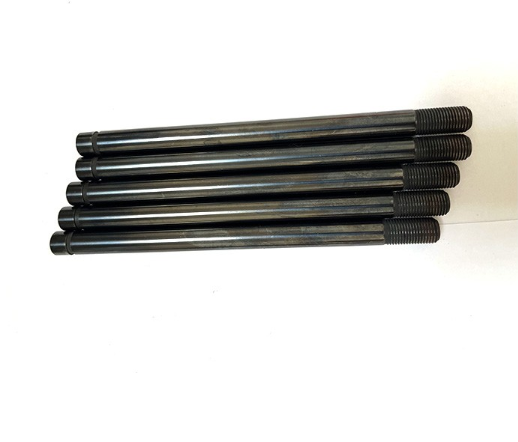
Steerer Tube Sizing and Compatibility
Measuring Steerer Tube Diameter
You need to measure your bike’s steerer tube before you select any hard chrome plated rods. Accurate measurement helps you avoid mistakes and keeps your bike safe. Use a caliper for the best results. A digital caliper gives you a clear reading in both inches and millimeters. You can also use a vernier caliper or a special tool made for bike parts.
Tool Type | Description |
|---|---|
Vernier Caliper | Lets you measure to a thousandth of an inch by lining up the markings. |
Digital Caliper | Switches between inch and metric; needs a battery but gives high precision. |
Stein Measuring Tool | Designed for inside diameters, perfect for steerer tubes. |
Measure the diameter at the top of the steerer tube. For bikes with a tapered fork, measure at the crown too. This helps you find any changes in size. Most bikes use a 28.6mm (1 1/8 inch) steerer tube. Some use a 31.8mm (1.5 inch) size. Always check both spots to make sure you get the right fit.
Tip: Always measure twice to make sure your reading is correct. Even a small mistake can affect your bike’s performance and safety.
Matching Chrome Plated Rod to Bike Standards
You should only use a hard chrome plated rod that matches standard bike sizes. Never use 8mm, 12mm, or 20mm rods for steering. These sizes do not fit common bike parts and can cause serious safety problems. Standard sizes like 28.6mm and 31.8mm are made for bike steering and give you the best performance.
When you match the rod to your bike’s standard, you make sure the stem and headset fit tightly. This keeps your steering smooth and strong. Hard chrome plated rods in the right size help your bike handle bumps and turns better. They also last longer because they fit well and do not bend easily.
Check your bike’s manual for the correct size.
Use a caliper to confirm the measurement.
Pick a hard chrome plated rod that matches the standard size.
If you use the wrong size, your bike may wobble or the rod may bend. This can lower your performance and put you at risk.
Handlebar and Stem Clamp Area
The handlebar and stem clamp area also needs the right size for top performance. The stem clamps around the steerer tube, so both must match. Most modern bikes use a 31.8mm clamp area for the handlebar. Older bikes may use 25.4mm. Downhill bikes often use 35mm for extra strength.
Diameter (mm) | Historical Significance | Current Applications |
|---|---|---|
25.4 | Popular with vintage bike restorers | Common in retro handlebars |
31.8 | Became standard in the late 1990s | Used in most modern bikes |
35.0 | Made for high-load, tough riding | Used in downhill mountain biking |
You need to measure the handlebar at the center where the stem clamps it. This makes sure the stem fits well and does not slip. When you use hard chrome plated rods that match these sizes, you get better control and longer life from your bike parts.
Note: Using the right size rod and matching it to your stem and handlebar helps your bike’s performance. It also keeps you safe on every ride.
Hard chrome plated rods that fit standard bike sizes give you the best results. They improve your bike’s performance, make steering smooth, and help your bike last longer. Always measure carefully and choose the right size for every part.
Supplier Evaluation and Quality Assurance
Certifications for Hard Chrome Plated Rods
When you pick a supplier for hard chrome plated rods, always check for certifications. Certifications like ISO mean the supplier follows important rules when making the rods. These rules help keep the rods safe and high quality. Quality checks, like ultrasonic testing, are very important. Ultrasonic testing uses sound waves to look for hidden problems inside the rod. This test is quick and does not hurt the rod. Hardness testing checks how tough the rod is by seeing how much it can handle being pressed. Both tests help you know if the rod is strong and safe for your bike.
Tip: Ask your supplier for test reports and certificates. These papers show the rods passed safety checks and are good for bike steering parts.
Supplier Reliability and Support
You need a supplier you can trust for good rods and help. Here are some things to look for:
Quality control: Make sure the supplier checks the rods well and has ISO certifications. They should test the rods for strength and smoothness.
Customer service: Pick suppliers who answer fast and help with problems.
Sample assessment: Ask for samples before you buy a lot. This lets you see the rod’s quality yourself.
Reputation and problem resolution: Read what other buyers say. See how the supplier fixes mistakes or delays.
Location considerations: Choose a supplier near you if you can. This can make shipping cheaper and faster.
Technological capabilities: Pick suppliers who use new machines and check their tools often. This helps them make rods that are right every time.
Note: Compare different suppliers to find the best one for you. Good suppliers can make special rods and give support, so you get what your bike needs.
If you follow these steps, you can trust your bike’s steering parts. Checking for quality and picking the right supplier keeps you safe and makes your bike work better.
Common Mistakes with Chrome Plated Rod Selection
Choosing Based on Price Alone
You might want to buy the cheapest rod. This can cause many problems. Cheap rods do not last long. They do not stop rust or wear well. You may save money at first, but you will pay more later. Cheap rods break fast and need to be replaced often. Your bike will not work as well. It can also be less safe.
Remember: The best rod is the one that fits your needs and lasts a long time. Quality is more important than price.
Here is a table that shows how lower-priced rods are different from higher-priced rods:
Feature | Lower-Priced Rods | Higher-Priced Rods |
|---|---|---|
Casting Distance | Limited | Enhanced |
Accuracy | Lower | Higher |
Sensitivity | Reduced | Improved |
Durability | Shorter lifespan | Longer lifespan |
If you only look at price, you miss out on good hard chrome rods. You lose rust and wear protection. You may have more problems and spend more money later.
Ignoring Material Selection and Specifications
You need to check what the rod is made of. You should also check the rod’s details. The right rod has good tensile strength and yield strength. It also has the right chemical makeup. High-strength steel works better and lasts longer. If you skip these checks, your rod can bend or break. Always look at the rod’s technical and size details. Check the material before you buy.
Tip: Pick rods with the right diameter and smooth surface. This keeps your bike safe and steady.
Checking hard chrome plated rods helps you avoid mistakes. You need rods that are made well and checked for quality. Never skip checking the rod’s material and chemical makeup.
Overlooking Chrome Plating Quality
How thick and even the chrome is matters a lot. Good chrome plating keeps your rod safe from rust and wear. If you do not check the chrome, you lose rust and wear protection. A rough surface can make your bike steer badly. Bad plating can crack and break early.
Warning: Using rods that are not standard for steering is dangerous. You could bend the rod, break it, or lose control.
Checking chrome thickness and surface smoothness helps your rod work its best. Always pick the best hard chrome plated rods for your bike. Quality checks and good details keep you safe.
You need to think about a few important things when picking a hard chrome plated rod for your bike’s steerer tube. The table below shows what you should look for:
Criteria | Details |
|---|---|
Material Selection | High-quality steel from trusted mills |
Chrome Plating Thickness | Minimum 20 microns for general use; thicker for heavy-duty |
Hardness Requirements | Chrome layer hardness between 850-1150 HV |
Dimensional Specifications | Standard diameter, ISO tolerance, straightness ≤0.2mm/m, surface roughness Ra ≤0.2μm |
Certifications | ISO 9001, SGS, ASTM B650, ISO 6158 |
You can make your bike safer and work better by doing these things: Measure your steerer tube with a caliper. Make sure the rod size matches common bike sizes. Choose rods that have smooth surfaces and good chrome plating. Check and clean the rods often so you do not get pinholes or flaking.
If you focus on good material and chrome plating, your bike parts will last longer. They will also fight rust better and wear out less.
FAQ
What is a chrome plated rod and why does it matter for bikes?
A chrome plated rod is a steel rod with a layer of chrome plating. You need this rod for your bike’s steerer tube because it gives strength and resists rust. The chrome plating makes the rod last longer and keeps your steering safe.
How do I know if a chrome plated rod fits my bike?
You should measure your steerer tube with a caliper. Most bikes use a 28.6mm or 31.8mm chrome plated rod. If you pick the right size, your bike parts fit well. Always check your bike’s manual before you buy a chrome plated rod.
Why is chrome plating thickness important on a chrome plated rod?
The chrome plating thickness protects the chrome plated rod from rust and wear. If the chrome plating is too thin, the rod can rust. If it is too thick, it may crack. You want the right thickness for a strong and safe chrome plated rod.
Can I use any chrome plated rod for my bike’s steerer tube?
No, you cannot use just any chrome plated rod. You must pick a chrome plated rod that matches standard bike sizes. Using the wrong size or type can make your bike unsafe. Always choose a chrome plated rod made for bikes.
How do I care for a chrome plated rod on my bike?
You should clean your chrome plated rod often. Wipe off dirt and water to keep the chrome plating shiny. Check for rust or damage. If you see problems, replace the chrome plated rod. Good care helps your chrome plated rod last longer.


