
 Product Search


 Oct 29, 2025
 View:839
You will see a hydraulic cylinder piston rod in every hydraulic cylinder. This rod is a strong metal shaft. It is usually made from hard chrome-plated cold-rolled steel. The rod connects the piston inside the cylinder to the machine part that moves. When hydraulic fluid pushes the piston, the piston rod carries this force to the outside load. This makes the load move in a straight line. The rod goes through the end of the cylinder. It also helps seal the system. This stops leaks and keeps everything working well.
Key Takeaways
The piston rod links the piston to the moving part of the machine. It moves force to make the part go in a straight line. Picking the best material and finish for the piston rod makes it last longer. This also helps the hydraulic system work better. Taking care of the system is important. You should check for damage and put oil on the seals. This keeps the hydraulic system safe and working well. Knowing what the piston rod does helps you pick the right hydraulic cylinder. This makes sure the machine works well for the job. New materials and technology make piston rods work better and last longer. This helps hydraulic cylinders be more reliable and efficient.
Hydraulic Cylinder Piston Rod Basics
What Is a Piston Rod
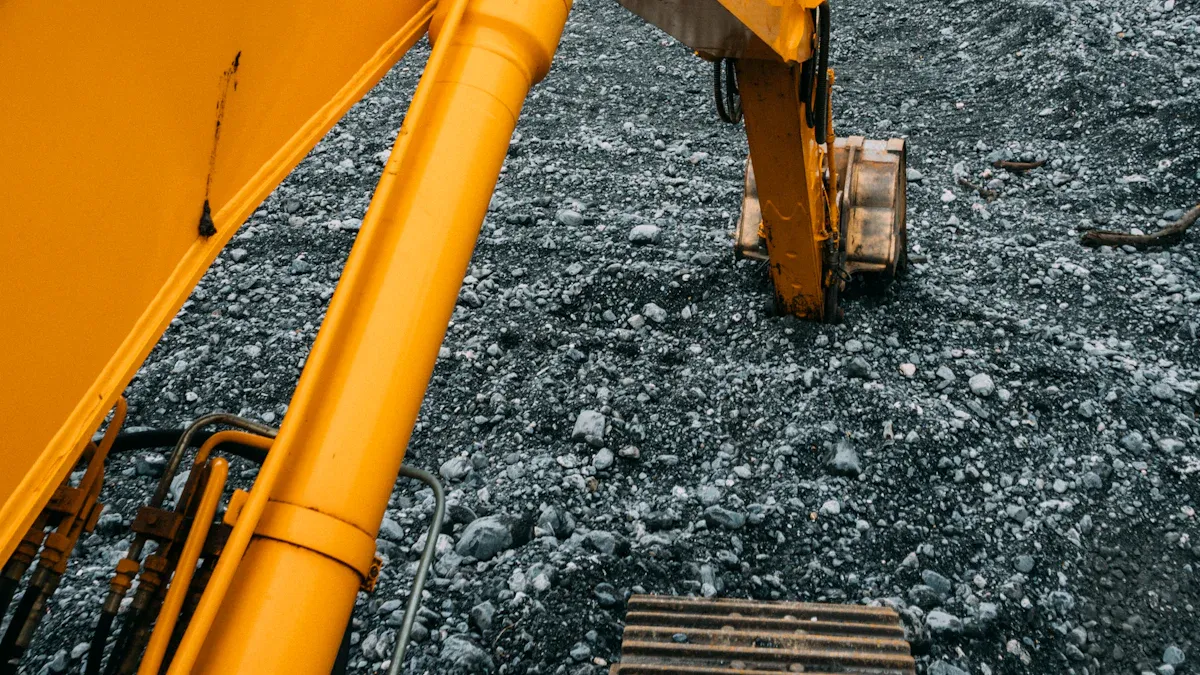
The piston rod is found in every hydraulic cylinder. It is a strong, straight metal shaft. The rod connects the piston inside to the moving machine part. You can see the piston rod sticking out from one end. It must hold up heavy loads and move a lot. Makers use hard chrome-plated steel or special alloys to make it last. Some rods have ceramic coatings for extra protection. This helps in tough places like the ocean or heavy work.
The piston rod must follow strict rules. ISO standards decide its size, shape, and how it connects. These rules help make sure the rod fits and works right. The rod also needs a very smooth surface. This helps it move through seals and stops it from wearing out.
Tip: Picking the best piston rod material and finish helps your hydraulic cylinder last longer and work better.
Function in Hydraulic Cylinders
The piston rod is very important in a hydraulic cylinder. When pressure builds up, it pushes the piston. The piston rod connects to the piston and carries the force out. It acts like a bridge between the power inside and the work outside.
Here is what the piston rod does in a hydraulic cylinder:
It sends the force from the piston to the machine part that moves.
It guides the movement so it stays straight and smooth.
It helps seal the cylinder and keeps fluid inside to stop leaks.
Piston rods must handle a lot of stress and tough conditions. They need to be strong and not bend or break. The material and surface treatment are important for this. Hard chrome-plated steel stops rust and wear. Special alloys or coatings can handle even harder jobs.
New improvements have made piston rods better. Look at some changes in the table below:
| Advancement Type | Description |
|---|---|
| Advanced Materials | New materials make rods last longer and weigh less. This helps them work better. |
| Improved Sealing Systems | Better seals stop leaks and help the cylinder work well. |
| Smart Technology | Sensors and controls help adjust how the cylinder works in real time. |
Modern hydraulic cylinders are smaller and use less energy. Some have low-friction bearings for smoother movement. Custom cylinders are now used in robots and machines. This shows how important the piston rod is in new technology.
When you pick a hydraulic cylinder piston rod, think about the cylinder type and the job. The rod must match the cylinder’s size and the force it needs. Good design helps your hydraulic system work safely and well.
Hydraulic Cylinder Components

Key Parts Overview
You will find several main parts in every hydraulic cylinder. Each part works together to create strong and smooth movement. Here is a quick look at the key components:
Cylinder Barrel
This is the main body. It holds the hydraulic fluid and guides the piston.Piston
The piston sits inside the barrel. It divides the cylinder into two chambers. Hydraulic pressure pushes the piston to move.Piston Rod
The piston rod connects the piston to the outside load. It moves in and out of the cylinder.End Caps
These caps seal both ends of the cylinder. They keep the hydraulic fluid inside.Seals
Seals stop leaks. They keep the fluid in and dirt out.Ports
Ports let hydraulic fluid enter and leave the cylinder.
Note: Each part must work well for the hydraulic cylinder to perform safely and efficiently.
Piston Rod’s Role
The piston rod plays a key role in hydraulic cylinders. You see it connect the piston inside the cylinder to the machine part that needs to move. When hydraulic pressure builds up, the piston moves. The piston rod carries this force out of the cylinder. It pushes or pulls the external load.
You notice the piston rod must handle high stress. It needs to stay straight and strong. The rod slides through seals and end caps. This keeps the hydraulic fluid inside the cylinder. The piston rod also helps guide the movement so the load moves in a straight line.
Here is a table showing how the piston rod interacts with other parts:
| Component | Interaction with Piston Rod |
|---|---|
| Piston | Transfers force to the piston rod |
| Cylinder Barrel | Guides the piston rod’s movement |
| End Caps | Supports and seals the piston rod |
| Seals | Prevent leaks around the piston rod |
| External Load | Receives force from the piston rod |
You see how the hydraulic cylinder piston rod links the power inside the cylinder to the work outside. This connection lets hydraulic systems move heavy loads with ease.
Piston Rod Operation
How Hydraulic Force Moves the Rod
Hydraulic force works every time a hydraulic cylinder moves. The process begins when hydraulic fluid goes into the cylinder through a port. The fluid creates pressure inside the cylinder. This pressure pushes on the piston. The piston rod is attached to the piston and moves with it. You can see the rod move in or out of the cylinder. It depends on which side gets the pressure.
Here is how hydraulic fluid pressure makes the piston rod move:
Hydraulic fluid goes into the cylinder.
Pressure builds up inside the chamber.
The piston feels the push from the pressure.
The piston rod, connected to the piston, starts moving.
The rod moves out or in, pushing or pulling the load.
Hydraulic cylinders in factories often work with high pressure. For example:
Tie rod hydraulic cylinders can handle up to 3,265 PSI (225 bar).
You need to pick the right cylinder for your job so it stays safe.
Converting Hydraulic Energy to Linear Motion
Hydraulic systems use fluid power to make things move. When you turn on a hydraulic cylinder, pressurized fluid fills the chamber. The fluid pushes the piston, and the piston rod moves straight. This changes hydraulic energy into straight-line motion. The pressure difference inside the cylinder makes the piston slide. The rod then moves the load.
The piston rod does more than just move back and forth. It sends force and movement to do work. You can lift, push, or pull heavy things with a hydraulic cylinder piston rod. The way energy changes can be different:
The Direct Driven Hydraulic (DDH) system with a full load is 28% efficient.
The proportional electrohydraulic system is 4% efficient.
Hydraulic cylinders give strong and steady movement, even if some energy is lost. The piston rod is still the main part that turns hydraulic energy into useful work.
Piston Rod Materials and Durability
Common Materials Used
Piston rods in hydraulic systems need to be very strong. Picking the right material helps the cylinder last longer and work better. Most piston rods are made from carbon steel, alloy steel, or stainless steel. Each type has special features for strength and fighting wear.
Carbon Steel (CK45, C45, C45E, S45C)
This material is used a lot in hydraulic cylinders. It has high tensile strength, so it can handle heavy loads. Carbon steel is tough and not too expensive. Hard chrome plating makes it even stronger and helps stop wear.Alloy Steel (4140, 4340, 40Cr)
Alloy steel is good when you need more strength. It works well for high-speed and medium-precision jobs. You find it in cylinders that face hard work.Stainless Steel (304, 316, 402)
Stainless steel does not rust or get damaged by acid. It is easy to weld and keeps its shape under pressure. You use it for cylinders in wet or rough places.
Tip: The best piston rod material depends on what you need. You want it to be strong, resist wear, and not rust for the best performance.
Surface Coatings for Performance
Surface coatings help piston rods last longer. Chrome plating is the most common coating. It gives a hard, smooth surface that stops wear and rust. The rod slides easily inside the cylinder, so it uses less energy.
Hard Chrome Plating
This coating makes the surface very hard, between 900 and 1100 HV. It helps the rod resist wear much better than plain steel. Chrome plating also protects against water and chemicals. It is easier to clean and take care of the rod.Ceramic and Composite Coatings
Some rods have ceramic or composite coatings. These give even more protection in tough places. They help the piston rod last for many years if you take care of it.
| Coating Type | Benefits |
|---|---|
| Hard Chrome Plating | Very hard, resists wear, stops rust |
| Ceramic Coating | Super strong, resists chemicals |
| Composite Coating | Lasts longer, less friction |
Hydraulic cylinders can last over twenty years if you take care of them. The quality of the piston rod and its coating affects how often you fix it. If the rod bends or gets scratched, you need to replace it. Always check the size and surface finish before picking a new rod.
Note: Makers recycle and save energy to make less waste when making piston rods. They also use chemicals safely to help the environment.
You now know that the piston rod is a strong metal shaft inside every hydraulic cylinder. It connects the piston to the moving part and helps transfer force. This part keeps hydraulic systems safe and working well.
Regularly check the piston rod for wear or damage to keep your hydraulic system running smoothly.
Clean the area around the cylinder to stop dirt from causing problems.
Inspect seals and keep the rod lubricated to reduce friction and wear.
Replace damaged rods quickly to avoid safety risks.
Remember these key points about the piston rod’s role:
The rod seal keeps pressure steady and stops leaks.
It forms a thin film that lowers friction and helps the seal last longer.
Rod seals block dirt and keep the hydraulic system strong.
Understanding the piston rod helps you maintain your hydraulic equipment and ensures safe, reliable operation.
FAQ
What does a hydraulic cylinder piston rod do?
You use the piston rod to connect the piston inside the cylinder to the machine part that moves. The rod transfers force and helps create straight-line motion.
How do you know if a piston rod needs replacement?
Look for signs like bending, deep scratches, or rust. If the rod leaks oil or does not move smoothly, you should replace it to keep your system safe.
Where do you find hydraulic cylinder applications?
You see hydraulic cylinder applications in construction equipment, manufacturing machines, and farming tools. These systems help lift, push, or pull heavy loads in many industries.
How do you keep a piston rod working well?
Clean the rod often and check for damage. Lubricate the rod and seals. Replace worn parts quickly. Good care helps your hydraulic cylinder last longer.


