
 Product Search


 Oct 20, 2025
 View:763
You need the shock absorber piston rod for a smooth ride. It connects the moving suspension to your car. This helps your car handle bumps and turns well. The piston rod’s surface affects how your car absorbs shocks. This makes your ride more comfortable and safe. Studies show good damping from the piston rod helps keep your car stable. This works in many driving situations.
| Contribution | Description |
|---|---|
| Damping Characteristics | The piston rod’s surface changes the damping force. This is very important for comfort and safety. |
| Performance Prediction | Knowing how the shock absorber will work helps make safer cars. |
Key Takeaways
The shock absorber piston rod links the suspension to the shock absorber. It helps your car handle bumps and turns better.
A strong and straight piston rod makes the ride more comfortable. It also helps you drive smoother and safer.
Check your piston rod often for damage like oil leaks or strange sounds. This can stop bigger problems and keep you safe.
Look at your piston rod every 12,500 miles to keep it working well. This helps stop things like uneven tire wear or losing control.
Taking care of the piston rod helps the suspension last longer. It also keeps your car in good condition.
Shock Absorber Piston Rod
What It Is
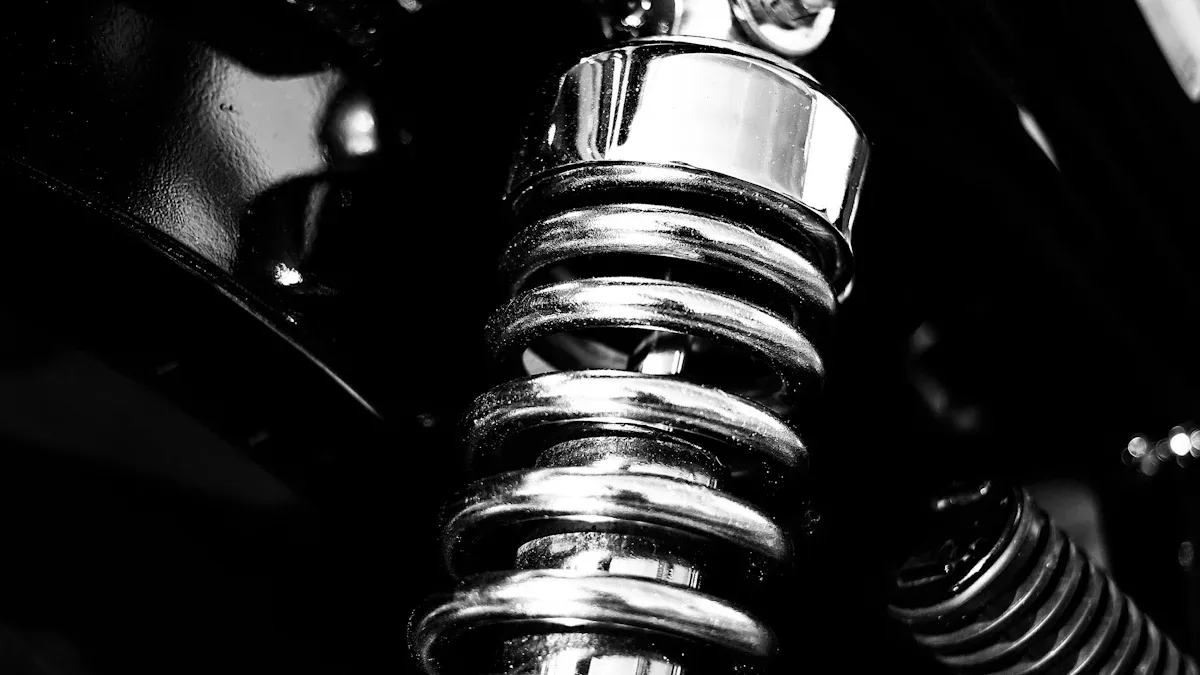
You can think of the shock absorber piston rod as the backbone of your shock absorber. This rod connects the moving parts inside the shock absorber to your car’s suspension. When you drive over bumps or rough roads, the piston rod moves up and down. This movement pushes the piston through the fluid inside the shock absorber. The fluid creates resistance, which helps control how much your car bounces.
Tip: A well-made piston rod keeps your ride smooth and steady, even on uneven roads.
Manufacturers use strong materials to make sure the piston rod can handle stress and last a long time. Here is a table showing the main materials and their properties:
| Material | Mechanical Properties |
|---|---|
| 45# Steel | Hardness: 45-52HRC, High strength, Toughness |
| 40Cr Steel | Good mechanical properties, Medium precision, High speed |
| Stainless Steel | Corrosion resistance, Good weldability, High polish |
45# Steel works well for most shock absorbers because it is strong and easy to shape.
40Cr Steel is best for heavy loads and big impacts.
Stainless Steel resists rust and works well in tough environments.
The design of the shock absorber piston rod also affects how your car handles. A single piston design gives you basic control over bumps. Dual piston designs offer better control for both compression and rebound. You will notice a smoother ride and better handling, especially if you drive a high-performance car or go off-road.
Where It Connects
The shock absorber piston rod connects important parts of your vehicle suspension systems. One end of the piston rod attaches to the frame of your car. The other end connects to the wheel assembly. This setup lets the piston rod move with the wheels and the body of your car.
The piston rod links the shock absorber’s piston to the suspension.
It moves up and down with the struts and wheels.
This action helps the shock absorber control vibrations and keep your tires on the road.
If the piston rod fails, you may feel every bump and lose control of your car. The connection between the piston rod, struts, and the rest of the suspension is key for safety and comfort.

How Shock Absorbers Work
Compression and Rebound
When you drive over a bump, your vehicle suspension systems move up and down. Shock absorbers help control this movement. They act like hydraulic pumps. Inside each shock absorber, you find a piston, a cylinder, and oil. As your wheels hit a bump, the piston moves inside the cylinder. This movement forces oil through small holes in the piston. The oil creates resistance, which slows down the motion and turns energy into heat. This process keeps your car from bouncing too much.
You will notice two main actions in shock absorbers:
Compression: This happens when your struts and wheels move upward after hitting a bump. The shock absorber compresses, and the piston moves down. This action absorbs the impact and helps keep your car stable.
Rebound: After compression, the struts and wheels move back down. The piston moves up, and the shock absorber controls how quickly your car returns to its normal position. This prevents your car from bouncing up and down after every bump.
Note: Compression and rebound work together to give you a smooth ride and better handling.
Role of the Piston Rod
The shock absorber piston rod plays a key role in controlled movement. It connects the piston to your car’s chassis. When your suspension moves, the piston rod moves the piston through the oil. This action creates pressure differences inside the shock absorber. During compression, the piston rod pushes the piston down, forcing oil through special valves. During rebound, the piston rod pulls the piston up, and oil flows through different valves. This process controls how fast your struts move and keeps your tires on the road.
A strong and straight piston rod helps your shock absorber work well. It can handle many bumps and keeps everything lined up. If the piston rod bends or breaks, your suspension will not work right, and you may feel every bump.
| Feature | Monotube Shock Absorbers | Twin-Tube Shock Absorbers |
|---|---|---|
| Internal Structure | Single tube, floating piston | Two tubes, inner and outer |
| Fluid Management | All fluid in piston chamber | Fluid flows between tubes |
| Heat Dissipation | Better | Less effective |
| Weight | Lighter | Heavier |
| Application Suitability | Rough surfaces, racing | Smooth surfaces, traction feel |
Importance of the Piston Rod
Ride Comfort and Handling
You depend on the shock absorber piston rod for a smooth and controlled ride. When you drive over rough roads or take sharp turns, the piston rod helps your struts and shock absorbers keep your car steady. This part moves with your suspension and controls how much your car bounces. If the piston rod works well, you feel less shaking and enjoy a more comfortable ride.
A strong piston rod keeps your struts moving in the right direction. It helps your shock absorber respond quickly to changes in the road. You notice better handling, especially when you need to stop fast or turn suddenly. A well-designed piston rod also reduces wear on other parts of your suspension. This means your car stays in good shape for longer.
If you hear scraping or banging noises, your piston rod may have surface damage or misalignment. These sounds can make your ride rough and signal a problem with your suspension.
You can spot problems with the piston rod by looking for these signs:
Hydraulic fluid leaking from the shock absorber
Slower or weaker response from your struts
Unusual noises when you drive over bumps
Visible damage, like bending or rust
Dirty or discolored fluid in your suspension system
When you keep the piston rod in good condition, you help your shock absorbers work better. This gives you a smoother ride and more control over your car.
Safety and Tire Wear
Your safety on the road depends on the condition of your shock absorber piston rod. If this part fails, your shock absorber cannot control your car’s movement. You may notice your car bouncing too much after hitting a bump. This can make it hard to steer or stop quickly.
A good piston rod keeps your tires in contact with the road. This helps your struts and shock absorbers keep your car stable, even during sudden stops or sharp turns. When the piston rod is straight and smooth, your suspension works as it should. You avoid extra stress on your tires and other parts.
A well-made piston rod improves handling and stability.
It reduces the risk of losing control during emergency maneuvers.
Regular checks and repairs help you avoid accidents and keep your car safe.
Regular inspection of your piston rod can prevent bigger problems. Even small imperfections can affect how your shock absorber works and put your safety at risk.
If you ignore piston rod problems, you may see uneven tire wear. This happens because your suspension cannot keep your tires on the road. You might also notice your car pulling to one side or feeling unstable. By taking care of your piston rod, you protect your tires and make your car safer to drive.
Shock Absorber Components
Piston Rod and Other Parts
You find several important parts inside shock absorbers. Each part works together to keep your ride smooth and safe. The piston rod connects the piston to the rest of the suspension. When you drive over bumps, the piston rod moves the piston through hydraulic fluid. This action forces the fluid through small openings, which slows down the movement and keeps your car steady.
Here is a table showing the main components and their functions:
| Component | Function |
|---|---|
| Piston | Works against hydraulic fluid in the pressure tube, controlling the flow of fluid. |
| Piston Rod | Connects the piston to the crosshead, transmits force, and drives the piston movement. |
| Hydraulic Fluid | Provides resistance and damping through its movement in the shock absorber. |
| Valves | Regulate the flow of hydraulic fluid, affecting the damping characteristics of the shock absorber. |
You see the piston rod attached to the piston. As your struts move, the piston rod pushes and pulls the piston through the fluid. The valves control how fast the fluid moves, which affects how well your shock absorbers handle rough roads. The hydraulic fluid helps absorb high stress from bumps and keeps your suspension working smoothly.
Failure and Consequences
If the piston rod fails, you notice problems right away. Oil leakage can happen when seals or bushings wear out. Physical defects, like a bent or broken piston rod, make your struts lose their ability to control movement. Improper installation can also cause issues, such as misalignment or weak joints.
Misalignment during assembly leads to early failure.
Poor welding creates weak spots in the piston rod.
Using the wrong tools can damage the shock absorber.
When the piston rod breaks or bends, your shock absorbers cannot dampen movement. You feel every bump, and your car may bounce or sway. This puts extra wear on your tires and makes your suspension less effective. You risk losing control, especially during sudden stops or sharp turns. Regular checks help you catch problems early and keep your struts working as they should.
Tip: If you see oil leaking or hear strange noises from your struts, check your shock absorber piston rod for damage.
You need the shock absorber piston rod for a safe ride. It helps keep your car comfortable. You should check it often to find problems early. Look for things like rod scoring or misalignment. Good care means checking the fluid and changing seals when needed. This helps your suspension last longer. If you ignore these steps, seals can wear out. The rod might bend, and leaks can happen. These problems make driving less safe and cost more to fix. Experts say you should look for damage and test your suspension every 12,500 miles.
| Indicator of Health | Recommendation |
|---|---|
| Visual inspections | Check for wear and damage regularly |
| Suspension tests | Test every 12,500 miles for proper performance |
FAQ
What does a shock absorber piston rod do?
You use the piston rod to connect the moving parts of your suspension. It helps control how your car handles bumps. This keeps your ride smooth and safe.
How can you tell if your piston rod is damaged?
Look for oil leaks, strange noises, or uneven tire wear. You might also feel more bumps or notice your car bouncing too much.
Can you drive with a bent piston rod?
You should not drive with a bent piston rod. It can make your car hard to control. This puts your safety at risk.
How often should you check your shock absorber piston rod?
Check your piston rod every 12,500 miles. You should also inspect it if you hear noises or feel changes in your ride.
What happens if you ignore piston rod problems?
Ignoring piston rod issues can cause more damage. You may see faster tire wear, poor handling, or even lose control of your car.


