
 Product Search


Why the Damper Rod is the Most Critical Part in Your Fork Rebuild
 Apr 21, 2026|
 View:422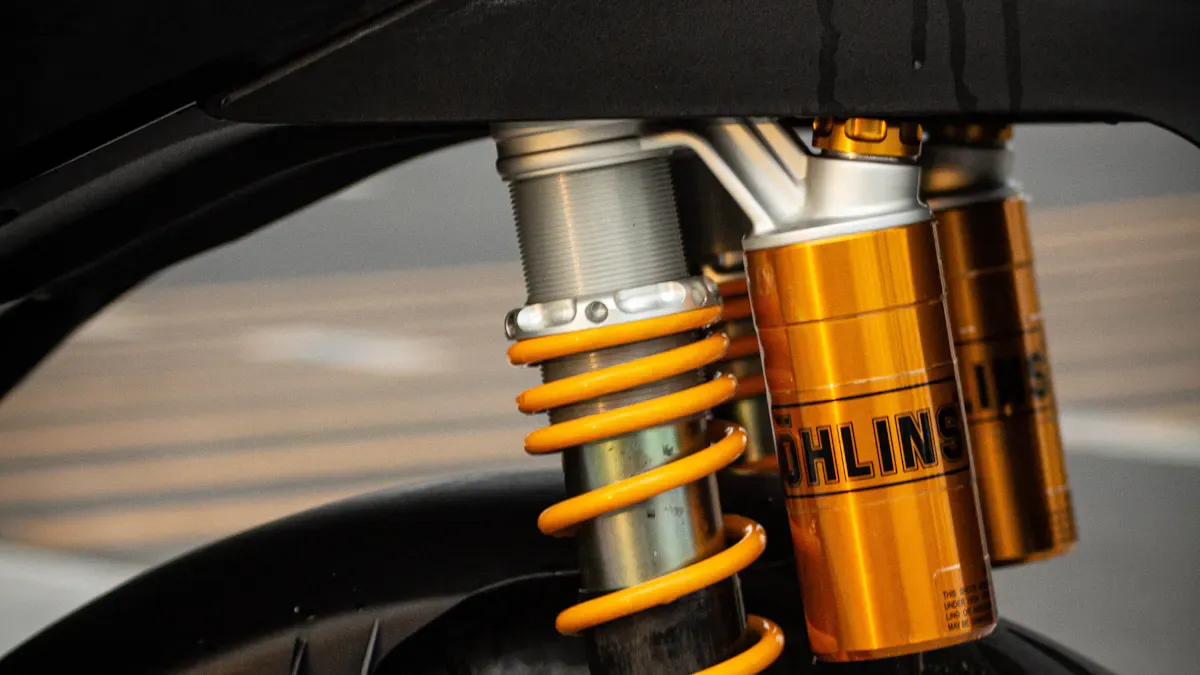
You rely on your fork to deliver a smooth and safe ride. The damper rod sits at the heart of this system. It controls how the damper responds to bumps and impacts. A high-quality damper keeps your ride stable and extends the life of your fork. When you choose advanced products like the QPQ Bicycle Front Fork Damping Rod, you set a new standard for durability and performance in any riding condition.
Key Takeaways
The damper rod is very important for a smooth ride. It helps oil move, takes in shocks, and keeps your fork stable.
Check your damper rod often for scratches, leaks, or strange sounds. Finding problems early stops expensive repairs.
Pick good damper rods like the QPQ Bicycle Front Fork Damping Rod. These work better and last longer.
Watch for signs that your damper rod is failing, like more shaking or oil leaks. Fixing these problems fast keeps you safe.
Take care of your damper rod every 150 to 200 hours of riding. Regular maintenance keeps your fork working well.
Damper Rod Basics
What Is a Damper Rod?
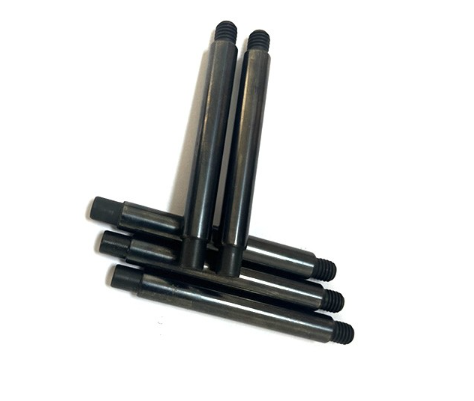
You find the damper rod inside the fork of your bike or motorcycle. This part looks simple, but it plays a big role in how your suspension works. The damper rod controls the movement of oil during both compression and rebound. When you ride over bumps, the damper rod helps absorb shocks and keeps your fork steady. You depend on the damper rod to regulate how fast the fork moves up and down. The rod uses fixed-diameter holes to manage oil flow. These holes create a balance between comfort and control. You get a smoother ride because the damper rod makes sure the fork responds correctly to different road conditions.
Tip: If you want your fork to last longer and perform better, pay close attention to the damper rod during any rebuild.
How Damper Rods Work in Fork Damping
The damper rod is the heart of fork damping. It manages oil flow through the fork, which affects how the fork reacts to bumps and impacts. You see the damper rod working in both the compression damping circuit and the rebound damping circuit. When oil flows easily, the damper shaft moves quickly, and you feel less damping. If oil flow is restricted, the damper shaft slows down, and you get more damping. This control lets you adjust your suspension for different terrains.
Here is a simple table showing how damper rods and other components affect fork damping:
Component | Function |
|---|---|
Damper Rods | Regulate oil flow to control damping characteristics in forks. |
Emulator Valves | Control variable flow of oil, enhancing suspension responsiveness. |
Flow Holes | Allow increased oil movement, improving damping performance. |
Oil flow is crucial for the movement of the damper shaft.
Easy oil flow means quicker movement and less damping.
Restricted oil flow slows movement and increases damping effect.
You rely on the damper to keep your fork stable and responsive. The damper rod makes sure your fork damping works smoothly, giving you confidence on every ride.
Damper Rod Importance
Impact on Suspension and Ride
You depend on the damper to control how your fork responds to bumps and rough terrain. The damper rod sits at the center of this system. It guides oil through the damping circuits, which helps your fork absorb shocks and keep your ride stable. When you use a high-quality damper, you notice smoother movement and less vibration. The surface finish on the rod matters. A smooth rod reduces friction between the damper and other fork parts. This means you feel fewer vibrations and enjoy a more comfortable ride.
You also benefit from strong steel in the damper rod. High-quality steel lowers the amount of vibration that travels from the road to your hands. You get better control and more confidence when you ride. Consistent damping performance keeps your bike stable. The structure of the steel inside the damper affects how well your fork handles bumps. If the damper rod works well, your fork lasts longer and needs fewer repairs.
Note: A smooth damper rod surface helps seals last longer. You avoid leaks and keep your fork working at its best.
Here is a quick look at how damper quality affects your ride:
Feature | Effect on Ride Quality |
|---|---|
Smooth Surface Finish | Less friction, more comfort |
High-Quality Steel | Reduced vibration, better control |
Consistent Damping | Stable handling, safer riding |
You rely on the damper to make every ride safer and more enjoyable. The damper rod and damping circuits work together to give you the best suspension performance.
Common Damper Rod Issues
You may face problems if the damper rod does not work as it should. The damper can lose its ability to control oil flow in the damping circuits. This leads to rough rides and less control. You might notice more vibration or hear strange noises from your fork. Sometimes, the damper rod wears out. Friction increases, and seals start to leak. You see oil on your fork legs, which means the damper is not working right.
Here are some common issues you should watch for:
Increased vibration during rides
Oil leaks from fork seals
Rough or unstable fork movement
Strange noises from the fork
If you ignore these signs, your fork can fail. The damper rod is a small part, but it plays a big role in keeping your fork safe and smooth. You should check the damper and damping circuits often. Regular inspection helps you spot problems early and keeps your fork in top shape.
Tip: If you notice any of these issues, inspect your damper rod right away. Early action prevents bigger problems and keeps your ride safe.
You see that the damper rod and damping circuits are critical for suspension performance. You protect your fork and improve your ride when you pay attention to these parts.
Risks of Neglecting the Damper Rod
Signs of Damper Rod Failure
If your ride feels rough or shaky, there may be a problem. The fork might bounce more than it should. You could hear odd sounds, like clunks or squeaks, from the fork. Oil might leak around the fork seals. These leaks show the damper is not working right. You may see your tires wearing out unevenly. This means the fork is not absorbing bumps well. Too much wheel bouncing is another warning sign. The damper cannot control movement, so your bike is harder to steer.
If you ignore these important parts and their warning sounds, you could face bigger dangers and higher repair bills later.
You need to watch for these signs. Finding problems early helps you avoid worse damage. A broken damper rod can hurt the whole suspension. If you do not fix it, you could lose control of your bike.
Long-Term Effects on Forks
If you do not take care of the damper, big problems can happen over time. The fork gets more stress and wears out faster. You might have to pay more for repairs because other parts can break too. Tires can wear out unevenly, which is called "cupping," and this makes them last less time. More stress on wheel bearings and ball joints can make them break sooner.
A bad shock absorber makes the wheel bounce too much.
This causes uneven tire wear, called "cupping," and tires do not last as long.
More stress on wheel bearings and ball joints can make them break early.
If you do not replace a bad damper rod, things can go very wrong. A ball joint or tie rod end could come apart while you ride. This means you could lose all steering control. It becomes very unsafe, and fixing it costs a lot. You keep your fork and yourself safe by taking care of the damper. Checking and replacing it on time keeps your ride smooth and safe.
Damper Oil Rod Inspection & Replacement
Key Inspection Points
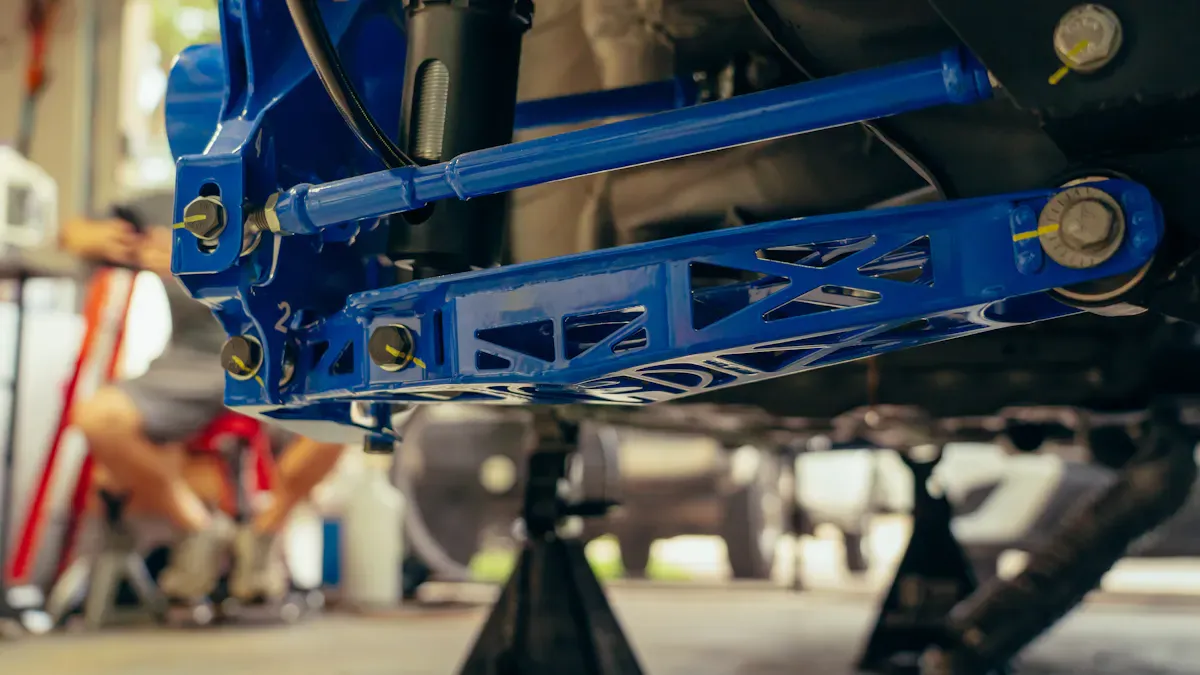
You need to check your damper oil rod often to keep your fork working well. Start by looking for scratches or dents on the rod. These marks can cause leaks and make the damper lose control. Move the fork up and down. Listen for strange noises. If you hear clunks or squeaks, the damper oil rod may have damage. Check for oil around the seals. Oil leaks show that the damper oil rod is not smooth or has worn out. You should also feel the fork’s movement. If it feels rough or sticky, the damper oil rod may have too much friction.
Use a clean cloth to wipe the damper oil rod. Look for metal shavings or black dust. These signs mean the rod is wearing out. You should also check the straightness of the rod. A bent damper oil rod can make your fork move unevenly. Always inspect the rod’s surface for rust or corrosion. If you see any, replace the damper oil rod right away.
Tip: Regular inspection helps you catch problems early and keeps your ride safe.
Choosing the Right Damper Oil Rod
You want the best damper oil rod for your fork rebuild. The QPQ Bicycle Front Fork Damping Rod from Changzhou Hengzhixin Machinery Co., Ltd. gives you top performance. This damping rod uses high-strength steel and a special QPQ surface treatment. The QPQ process makes the rod very hard and smooth. It also protects the rod from rust and wear. You get a damper oil rod that lasts much longer than regular rods.
Here is a table that shows how QPQ treated rods compare to untreated rods:
Feature | QPQ Treated Rods | Untreated Rods |
|---|---|---|
Surface Hardness (HV) | 900–1200 | N/A |
Wear Life Extension | 2–5 times | N/A |
Compressive Residual Stress | Yes | No |
You can use the QPQ damper oil rod in many types of forks. The rod fits mountain bikes, e-bikes, and other vehicles. The ultra-smooth surface helps seals last longer and keeps the damper working smoothly. You get less friction and better control. The QPQ damper oil rod also resists sweat, mud, and road salt. You do not have to worry about harsh weather or cleaning agents.
When you choose a high-quality damper oil rod, you improve your fork’s life and your ride’s safety. The QPQ damping rod gives you confidence on every ride.
You now know why the damper rod is the most important part of your fork rebuild. Regular inspection and using high-quality parts keep your ride safe and smooth. For best results, follow these service tips:
Check and service your damper rod every 150 to 200 hours of riding.
Complete a full rebuild of the damper system.
Ask a professional for help if needed.
Taking care of your fork helps you enjoy better performance and safety every time you ride.
FAQ
How often should you inspect your damper rod?
You should check your damper rod every 150 to 200 hours of riding. Regular inspection helps you find problems early. This keeps your fork safe and smooth.
What makes the QPQ damper rod special?
The QPQ damper rod uses a hard, smooth surface. This reduces friction and wear. You get better performance and longer fork life.
Can you install the QPQ damper rod yourself?
You can install the QPQ damper rod if you have basic tools and follow instructions. If you feel unsure, ask a bike mechanic for help.
What signs show your damper rod needs replacing?
Look for oil leaks, rough fork movement, or strange noises. These signs mean your damper rod may need replacing soon.
Does the QPQ damper rod fit all forks?
The QPQ damper rod fits most mountain bikes, e-bikes, and other vehicles. Check your fork’s size before buying to make sure it matches.


