
 Product Search


Hollow Piston Rods: Key to Lighter Bicycle Front Forks
 Aug 17, 2026|
 View:127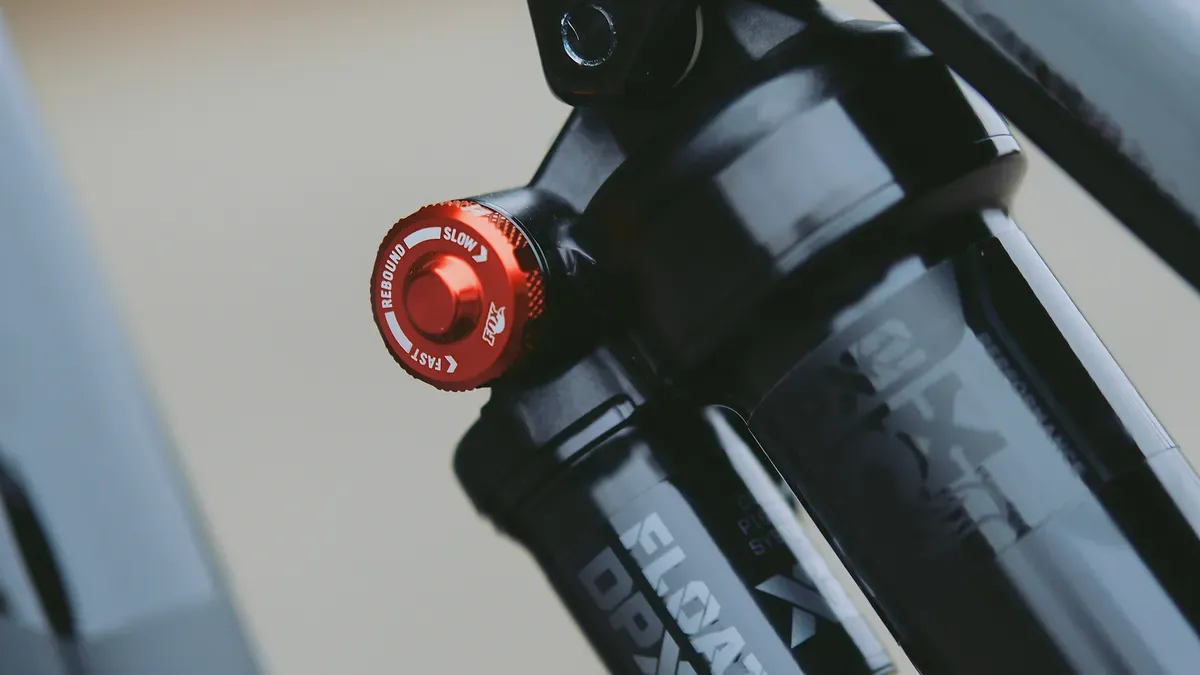
Modern mountain bike suspension technology requires top speed and easy movement without losing strong building quality. A hollow piston rod greatly reduces overall part weight by taking out unneeded center material. Front forks face the highest bending force along their outside cylinder walls. Because of this, a hollow bike front shocker rod keeps its full strength and stiffness. Removing inner material directly lowers the heavy weight inside a bike front fork system. Less weight helps bicycle forks react much faster over bumpy trail paths. Extra air forks gain the exact same advantages from this smart design. As a result, this lightweight suspension fork unit improves tire traction and steering control. Special bike front shocker rod making methods let hollow piston rods equal solid options totally.
Key Takeaways
Hollow piston rods remove extra inside metal to make bike front forks lighter without losing any bending strength.
Lighter moving parts help tires react faster over bumpy trails for better grip and steering control.
The open area inside the hollow rod fits air springs and oil cartridges easily to save important space.
Strong steel and smooth protective covers make sure these parts last a long time and stay safe from rust.
Weight Reduction Mechanics in Bike Front Fork
Structural Physics of the Hollow Piston Rod
Bending forces create maximum stress along the outer cylinder walls of a bike front fork. Meanwhile, the central axis of a cylinder feels very little stress during normal use. Manufacturers place strong material where stress builds up, leaving the inside empty. Modern hollow piston rods improve material placement by clearing out inactive core metal. Engineers keep structural rigidity high while lowering total chassis weight. Bicycle forks use hollow tubes to cut down mass very effectively.
Solid core metal adds extra bulk without making the part resist bending any better.
Hollow components give crucial space inside modern front forks. This inside volume holds air springs, coil springs, and hydraulic oil cartridges neatly. Heavy e-bike systems use this internal space to manage active loads. Long suspension travel needs smart packaging inside compact leg tubes. High performance forks keep yield strength because outer walls take in bending forces. A hollow bike front shocker rod keeps strong torsional stiffness under hard trail impacts. Advanced bike front shocker rod parts stop flexing while lowering overall component weight. Modern mountain forks rely on this shape layout for sharp steering control. Front forks keep steady alignment during aggressive riding.
Minimizing Unsprung Mass in Suspension
Lowering unsprung mass in a suspension fork greatly improves trail tracking. Suspension tuning depends on fast wheel movements. Unsprung parts move directly with every single bump on the path. Lower structural weight helps forks follow uneven ground much faster. Riders feel refined suspension movement across rough rock sections. A lightweight hollow piston rod cuts moving inertia inside lower assembly legs. Heavy e-bike front units get huge benefits from reduced moving weight. Fast wheel recovery improves tire traction during deep suspension travel movements.
Lightweight forks compress and bounce back with top speed. Keeping internal weight low keeps tires stuck tight to trail ground. Each bike front shocker rod glides smoothly inside hydraulic fluid chambers. Standard bicycle forks react slowly when internal parts carry extra core metal. Upgraded e-bike forks soak up fast bumps without sending harsh shake to handlebars. Modern suspension designs pass over obstacles with very little pushback. Smooth suspension travel needs low sliding friction. A precision bike front shocker rod offers steady movement through deep compression strokes. Today, high performance forks rely on lightweight hollow parts for best suspension action.
Enhancing Mountain Bike Suspension Performance
Improved Responsiveness and Dampening
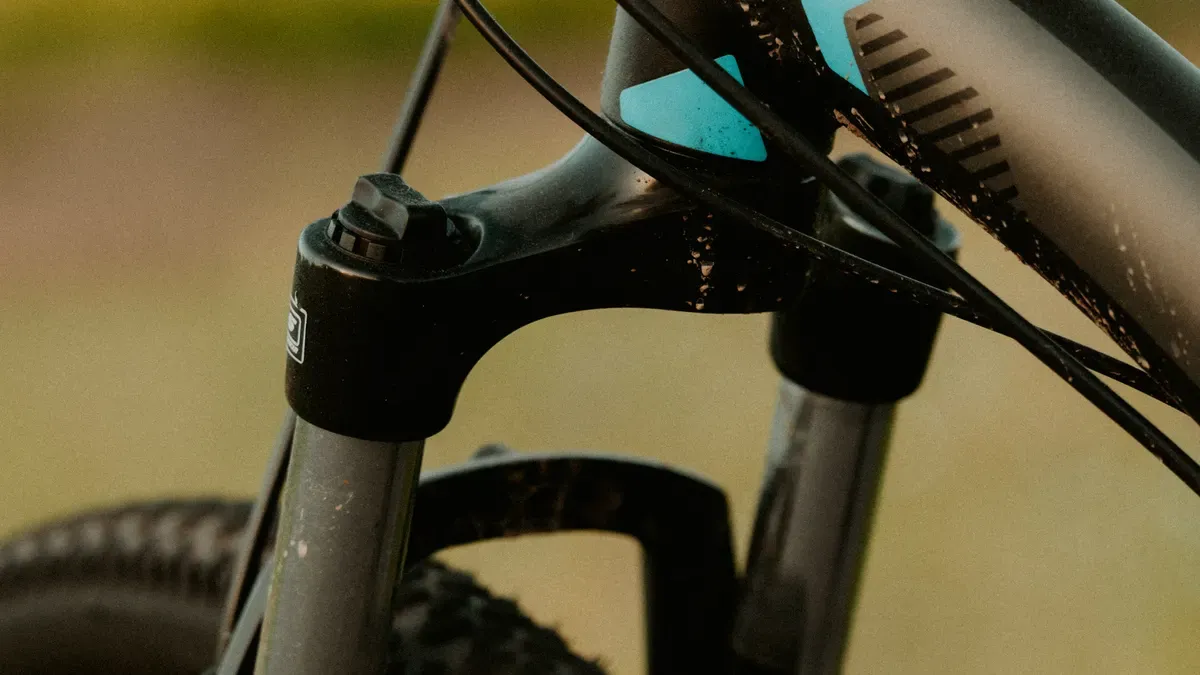
Advanced mountain bike suspension components deliver exceptional trail performance through reduced moving inertia. Modern front forks tracking rough terrain require immediate wheel recovery over rapid chatter. Lightening internal moving mass improves road compliance significantly. Internal damping units settle faster because lighter wheel assemblies demand less rebound damping effort. Consequently, specialized forks maintain continuous tire ground contact across aggressive rocks. Riders using air forks experience a noticeably higher speed threshold before chatter disrupts steering precision on rugged tracks.
High-stroke mountain bike suspension designs benefit immensely from optimized mass distribution during deep compression. Heavy e-bike forks subject internal hardware to severe impact forces. Reduced component weight allows an e-bike front shock absorber to react instantly. Smooth internal fluid displacement stabilizes suspension travel throughout every stroke. Efficient hydraulic damping controls full suspension travel without excessive harshness. Enhanced tracking boosts cornering confidence, which elevates overall mountain bike performance in competitive racing environments.
Precision Engineering and Tight Tolerances
Superior mechanical action in bicycle forks relies on exact manufacturing standards and ultra-tight dimensional controls. High-grade forks utilize hollow piston rods to maximize structural strength while shedding excess core weight. Each bike front shocker rod features an outer diameter range of Ø6mm–Ø30mm. Tight diameter precision guarantees perfect seal fitment along internal walls. Accurate alignment eliminates fluid leaks inside demanding forks. Premium surface finishing ensures optimal damping performance under heavy operational loads.
Seamless movement across long suspension travel demands immaculate linear shaft straightness within every suspension fork assembly. Engineers specify exact tolerances for a durable bike front shocker rod inside high-end forks. Consistent outer dimensions protect delicate internal seals against premature wear. An e-bike front unit operates under intense thermal stress. Advanced hollow piston rod designs deliver maximum structural stability, raising total performance across all mountain bike setups. Upgraded forks reduce system weight while specialized bike front shocker rod engineering ensures long-lasting durability across all active front forks.
Material Selection and Durability Standards
High-Strength Steel and Stainless Options
Changzhou Hengzhixin Machinery Co., Ltd. builds accurate linear parts as an ISO9001 and SGS-certified supplier. Specialized bike front shocker rod parts need tough metals to survive rough trail hits. Factory teams choose carbon steel types like C45 and C35 for strong frame strain. These tough metals help heavy e-bike front suspensions during large hill descents.
Rust-resistant stainless steel shields modern mountain bicycle forks against wet harm. Common 304 alloy stops everyday rain spots very well. Still, rough trail areas call for tougher metal options. The table below displays how material picks shield inner bike front shocker rod parts from bad rust.
Exposure Scenario | 304 Stainless Steel | 316L Stainless Steel |
|---|---|---|
Mild freshwater rides | High protection level | High protection level |
Coastal mud or de-icing salts | Susceptible to pitting corrosion | Superior resistance; contains 2-3% molybdenum |
Wet-service relevance | Vulnerable in humid saline conditions | Superior corrosion performance in wet conditions |
Choosing 316L stainless steel improves part toughness across salty winter paths. High-tensile steel options manage severe mechanical forces easily. Top material choices help light hollow piston rods keep full yield strength without adding extra mass.
Advanced Surface Treatments and Coatings
Outer layer treatments stretch working life while keeping smooth fork sliding movement. Exact making methods yield a super-smooth finish with a surface roughness of Ra ≤ 0.2μm. This slick surface shields inner seals from rubbing damage. Therefore, hydraulic forks press down easily over quick stony paths. Superior surface work boosts complete suspension fork performance under heavy daily use.
Unique treatments like QPQ nitriding and hard chrome plating toughen the outer cylinder walls. A bike front shocker rod takes hard hits during fast downhill rides. These top coatings stop surface scratches and keep solid sealing through long use.
Target Surface Hardness: HRC 40-45
Corrosion Resistance Standard: 120+ hours salt spray test
Maximum Finished Length: 1000mm
Outer Diameter Range: Ø6mm–Ø30mm
Strict surface finishing shields inner e-bike hardware from mud and small gravel. Solid surface toughness boosts full part strength in any weather state. Better rust safety lets active forks give top performance year after year. Great coatings trim part weight while keeping full frame strength in modern suspension forks. A steady bike front shocker rod gives smooth steering control on tough e-bike paths.
Hollow piston rods remove heavy core metal to make bicycle forks much lighter without losing any strength. This smart design lets a bike front shocker rod react faster when riding over rough, bumpy trails. Less inner weight helps front forks push the front tire down for much better ground grip.
Great making methods from Hengzhixin use tough steel and smooth outer coatings for long-lasting part strength. Premium forks need strong internal shafts to absorb hard trail hits smoothly without bending or twisting. Modern suspension forks rely on this light hollow design to deliver top control and speed.
FAQ
Why do mountain bike forks use hollow piston rods?
Hollow piston rods remove extra middle metal while keeping full bending strength. Today, mountain bike forks perform better with lighter moving parts. This saved weight helps tires grip rough trails much more easily.
How do hollow rods affect e-bike front forks?
Heavy e-bikes use lightweight inner parts to balance out their large overall frame weight. Hollow rods trim down moving weight very well. Thus, these front forks absorb bumps faster and stay smooth.
Do hollow piston rods limit full suspension travel in bicycles?
No, hollow rods never shorten suspension travel. The open inside space holds air springs and oil neatly inside modern forks. Cyclists get smooth fork movement on every long ride.
Are hollow rods strong enough for long travel setups?
Yes, hollow rods handle harsh bending forces easily because outer walls carry the heaviest stress. Factories craft these tough parts for deep suspension travel using strong metals like C45 or 316L.
How do precision tolerances improve the performance of modern forks?
Exact outer sizing from Ø6mm to Ø30mm creates a tight seal fit inside bicycle forks. Slick outer coatings reduce rubbing friction. These careful building steps make suspension units work great on hard paths.


Recent News
1.Gas Spring Rods in Bicycles: Enhancing Performance and Comfort
2025-04-292.Hollow Piston Rods: Key to Lighter Bicycle Front Forks
2026-08-173.Comprehensive Guide to Motorcycle Front Fork Oil Rod: Function, Maintenance, and Replacement
2025-05-214.Hydraulic Damping Rod for Bike Front Fork Performance
2025-05-295.Comparing Bike Front Shocker Rods for Mountain and E-Bikes
2026-04-136.HZx Hardware Supplies Precision Hollow Rods for Front Forks
2026-08-17


