
 Product Search


Lightweight Strength: Hollow Piston Rods in Bicycle Suspension
 Aug 26, 2026|
 View:148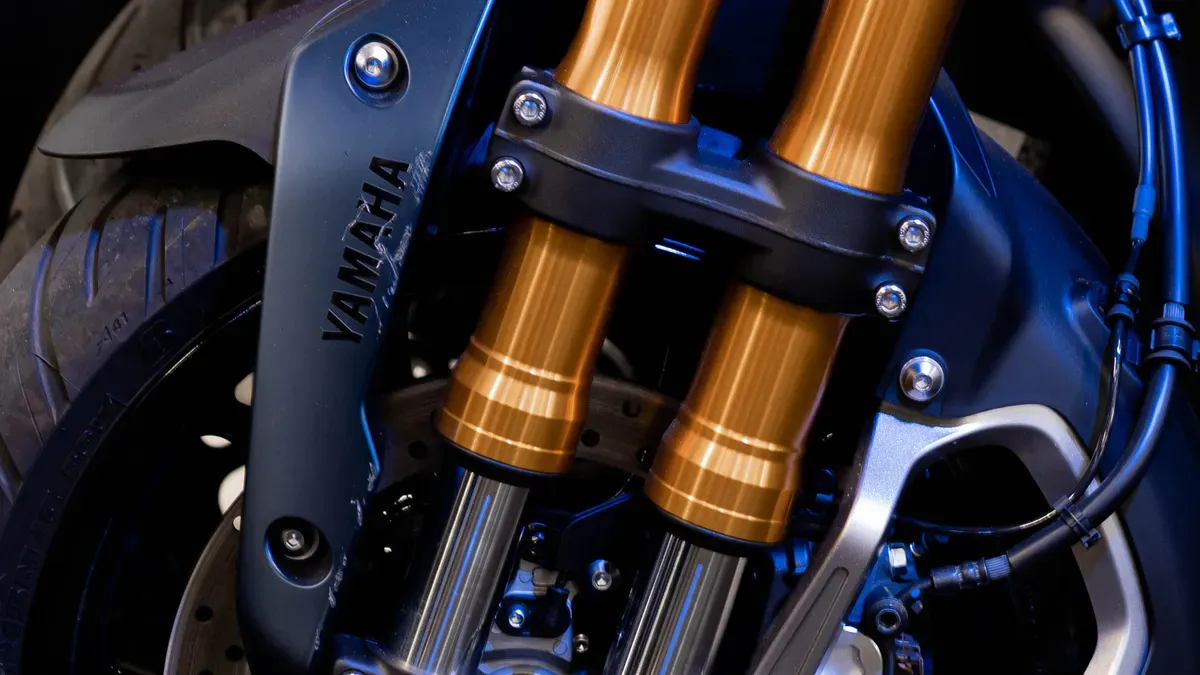
You feel it right away. Your front wheel moves over rocky ground with a lightness you have never felt before. Taking a few hundred grams off your bike's unsprung weight changes how it handles. Every bump, every root, every turn feels more precise. But you ask: how can you cut weight without losing the strength needed for tough trails?
Hollow Piston Rods are the solution. They remove a lot of weight while keeping the part strong. This tech is found in high-end suspension forks and rear shocks. This article looks at what they are, how much weight they save, how durable they are, how they are made, and how they affect performance. You will see why these parts matter for your next bike upgrade.
Key Takeaways
Hollow piston rods cut 50 to 100 grams of weight from your bike's suspension.
They keep the same strength as solid rods by spreading force evenly.
Special treatments like QPQ make them last longer and resist rust.
Less weight helps your suspension react faster, improving control and comfort.
These rods are a smart upgrade for better performance on any trail.
What Are Hollow Piston Rods?
Defining the Component
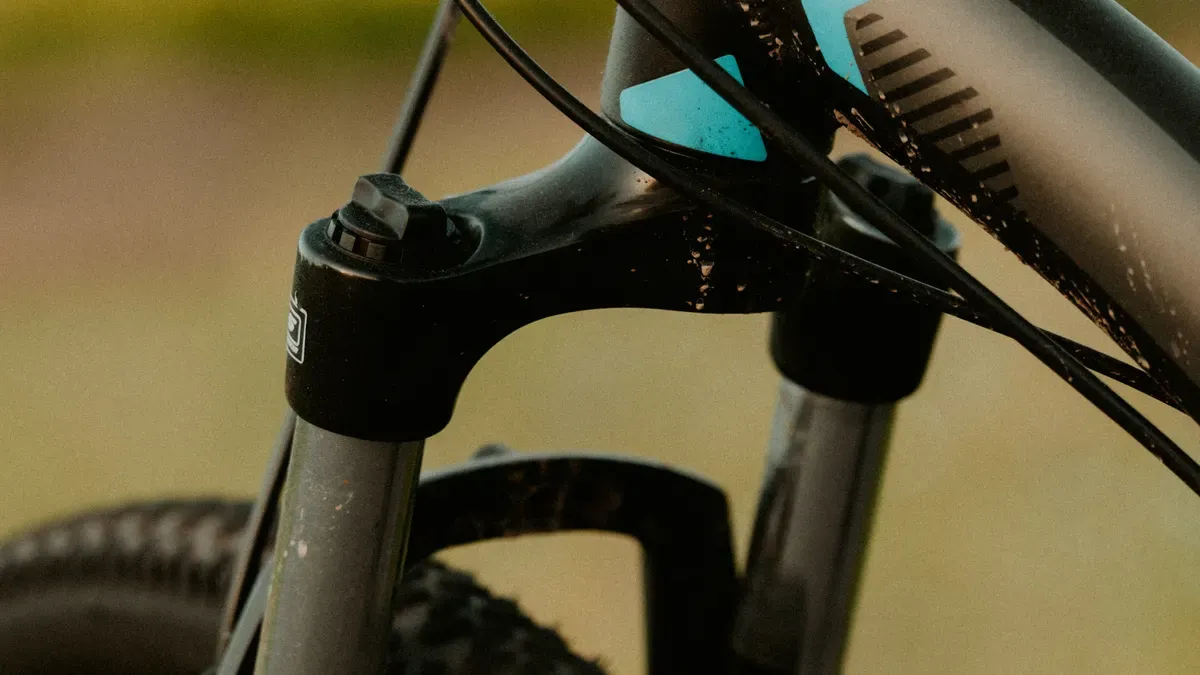
A hollow piston rod is a tube-shaped part inside your suspension fork or rear shock. Unlike a solid rod, this part has an empty space running through its whole length. Think of it like a drinking straw made of strong metal instead of a solid steel bar. The rod connects the piston to the fork crown or shock body, moving forces as your suspension goes up and down over bumpy ground.
Some manufacturers make these rods with very careful engineering. They use materials such as chromoly steel or stainless steel to build a tube that keeps its shape under heavy loads. The hollow design does not make the part weaker. Instead, it removes material that does not help with strength, leaving a structure that works just as well as a solid rod but weighs less. You will find these parts in high-end bike suspension systems where every gram matters for performance.
Solid vs. Hollow: A Quick Comparison
The difference between solid and hollow piston rods comes down to physics. A solid rod uses more material than needed for most uses. The center of the rod carries very little load compared to the outer surface. By taking out that unused material, engineers create a hollow rod that gives nearly the same strength with much less weight.
Feature | Solid Piston Rod | Hollow Piston Rod |
|---|---|---|
Weight | Heavier | Lighter |
Material Use | More steel needed | Less steel, more efficient |
Strength | Strong all through | Just as strong at the outer walls |
Cost | Lower to make | Higher to make because of precision |
Common Use | Entry-level suspension | High-end performance suspension |
The weight savings from hollow piston rods directly affect how your bike handles. Less unsprung weight means your suspension reacts faster to bumps and changes in the trail. You feel more control through corners and better grip on loose ground. The tube shape also spreads force evenly around the circle, stopping weak spots that could form in a solid rod under repeated stress. For riders who push their bikes hard on technical trails, this mix of lower weight and kept strength makes a clear difference on every ride.
The Weight Advantage
Quantifying the Savings
Hollow Piston Rods deliver measurable weight reductions. A typical hollow rod saves significant weight per fork compared to a solid version. That number might seem small at first glance. But consider the total picture. Your bike's suspension sits at the lowest point of the frame. Weight saved there matters more than weight saved elsewhere. Every gram you remove from the fork or shock reduces the total mass your bike carries. Over a full mountain bike, those savings add up quickly.
The physics behind this benefit is straightforward. With the same force, a heavier object accelerates slower. When you reduce the weight of your bicycle, you improve its responsiveness to more intense pedaling or braking. Low weight becomes even more vital when riding uphill. Each pedal stroke moves less mass forward. Your legs work less. Your momentum carries further. The result feels like a bike that responds instantly to your input.
Weight and Handling Impact
Reducing unsprung weight transforms how your bike behaves on the trail. Unsprung weight includes everything that moves with your wheel as it travels over bumps. Less unsprung weight means your suspension can react faster to terrain changes. Your tires maintain better contact with the ground. You gain more control in every situation.
Improved Acceleration: Lighter wheels reduce the rotational mass, meaning your engine has less weight to move. This reduction in weight allows for quicker acceleration, giving you a noticeable performance boost.
Enhanced Handling and Steering Response: Reduced unsprung weight allows the suspension system to perform more effectively, improving grip and stability. This results in more precise cornering and a more connected driving experience.
Impact on Braking: Lighter wheels reduce the strain on braking systems. With less mass to slow down, brakes can operate more effectively, resulting in shorter stopping distances and reduced brake wear.
The benefits extend beyond numbers on a spec sheet. Ray Stringer, technical boss at Kawasaki's British Superbike team, notes: "When the 600s used to be allowed lightweight wheels you'd see a lot of bikes suffering front end chatter. There may be suspension specialists who'd disagree with me, but in my opinion, you need more controlled compression damping to make them really work. If you're going to use them on the road you really need to avoid potholes and anything that'll make the suspension bottom out sharply as they aren't as durable as the standard wheels. If you ride hard, though, you'll notice the difference, mainly it's the flickability at high speed."
That flickability translates directly to mountain biking. You can change lines mid-corner. You can pop over obstacles with less effort. Your bike feels alive beneath you. The weight advantage from hollow piston rods gives you that feeling on every ride.
Strength and Durability of Hollow Piston Rods
Engineering for Strength
The tubular shape of a hollow piston rod does more than save weight. It changes how forces move through the part. The round cross-section spreads applied force evenly around the entire circumference. This eliminates localized stress concentrations that could become weak points. The principle applies directly to your suspension fork.
The hollow interior permits controlled elastic deformation under sudden loads. When you hit a big rock or drop off a ledge, the rod absorbs impact energy rather than transferring it all to the fork crown. This prevents brittle failure at the rod surface. The even force distribution allows the rod to maintain structural integrity across a wide range of hydraulic pressures inside your suspension. Fatigue cracks never get a chance to start.
Materials matter just as much as shape. Chromoly steel offers a combination of lightness and strength that outperforms plain high-tensile steel. Bike manufacturers have used chromoly for decades because it is lighter and stronger than standard steel. For even higher demands, manufacturers use 42CrMo steel, an ultra-high strength material that handles extreme loads without adding weight. Stainless steel provides excellent corrosion resistance and fatigue strength. These materials make your rod tough enough for the most demanding trails.
Mechanical Property | How Tubular Shape Helps |
|---|---|
Stress Distribution | The round, tubular cross-section spreads applied force uniformly around the circumference. This eliminates localized stress concentrations that could become weak points. |
Flexibility | The hollow interior permits controlled elastic deformation under sudden loads. It absorbs impact energy and prevents brittle failure at the rod surface. |
Pressure Handling | The even force distribution allows the rod to maintain structural integrity across a wide range of hydraulic pressures. This reduces the risk of fatigue cracks. |
Engineers design these rods with careful attention to material selection and precision manufacturing. The combination of tubular geometry and high-strength materials gives you a part that handles the toughest trails without bending or breaking.
Addressing Durability Concerns
You might wonder if a hollow rod can last as long as a solid one. The answer is yes, and often longer. Surface treatments play a major role in making that happen. Two key treatments stand out: QPQ and chrome plating.
QPQ treatment creates a wear-resistant layer that outlasts standard chrome plating. The process involves a proprietary salt bath nitriding that changes the surface chemistry of the steel. This gives you increased surface hardness, which means the rod resists scratches and wear from dirt and grit. The enhanced corrosion resistance protects against rust in rain, mud, or coastal areas. The treatment also improves the rod's fatigue life. Your suspension stays smooth and reliable season after season, even when you ride in wet or salty conditions.
Chrome plating provides a tough, hardened surface that withstands repeated friction and impact. It prevents premature wear on the rod surface where the seals slide back and forth. The plating also acts as a protective barrier against moisture, chemicals, and oxidation. This ensures long-term corrosion resistance, even in harsh environments like construction zones or near the ocean.
QPQ treatment creates a wear-resistant layer that outlasts standard chrome plating.
Enhanced corrosion resistance due to proprietary salt bath nitriding protects against rust in rain, mud, or coastal areas.
Surface hardness improves shock absorption and provides a smoother ride.
These treatments do not just protect the rod. They also improve how your suspension feels. The smoother surface reduces friction between the rod and the seals. Your fork moves more freely. You get better small-bump compliance and a plusher ride feel. The hardness also helps the rod absorb shock loads without deforming, keeping your steering precise mile after mile.
Customization options including induction hardening and chrome plating are available to meet specific durability needs. Each rod undergoes strict quality control. You get a part that performs reliably in the most demanding conditions. When you choose Hollow Piston Rods with these treatments, you invest in a component that lasts as long as your bike frame.
How They Are Made
Manufacturing Techniques
Every Hollow Piston Rod starts out as a piece of metal tubing. Manufacturers use seamless tubes such as Cold Drawn Seamless (CDS) or Hot Finish Seamless (HFS). These methods make a tube with no welded seams. You get a uniform structure that handles stress better than welded ones. No seams means no weak points that could break under repeated use.
Then, processing steps shape the raw tube into a finished rod. Drilling makes the hollow hole all the way through. Swaging makes the diameter smaller in some spots and strengthens the metal through cold working. Turning and milling come next to get exact lengths and smooth surfaces. Honing polishes the inside to a mirror finish, which cuts down friction for the piston seals. Extra services like bulging and more swaging fine-tune the rod for specific uses. After shaping, the rod gets precision machining to make mounting threads and seal grooves. Then heat treatment hardens the material to the needed spec. Each step needs careful control to keep tight tolerances. The result is a part that fits perfectly inside your suspension fork or shock.
Materials of Choice
The material you pick affects weight, strength, and cost right away. Hollow Piston Rods are available in several material choices. Chromoly steel gives a good mix of strength and price. 42CrMo steel offers ultra-high strength for demanding applications. Stainless steel gives better protection against rust. It costs more but lasts longer in wet or muddy conditions. Higher-grade stainless steel provides extra protection against salt and chemicals for riding near the coast. The material choice also changes the cost to make it. Some materials are easier to work with, so production costs stay lower. You have to trade off between upfront cost and long-term durability. For most riders, premium stainless steel hollow rods give the best value over the life of the bike.
Performance Impact on Suspension
Reducing Unsprung Mass
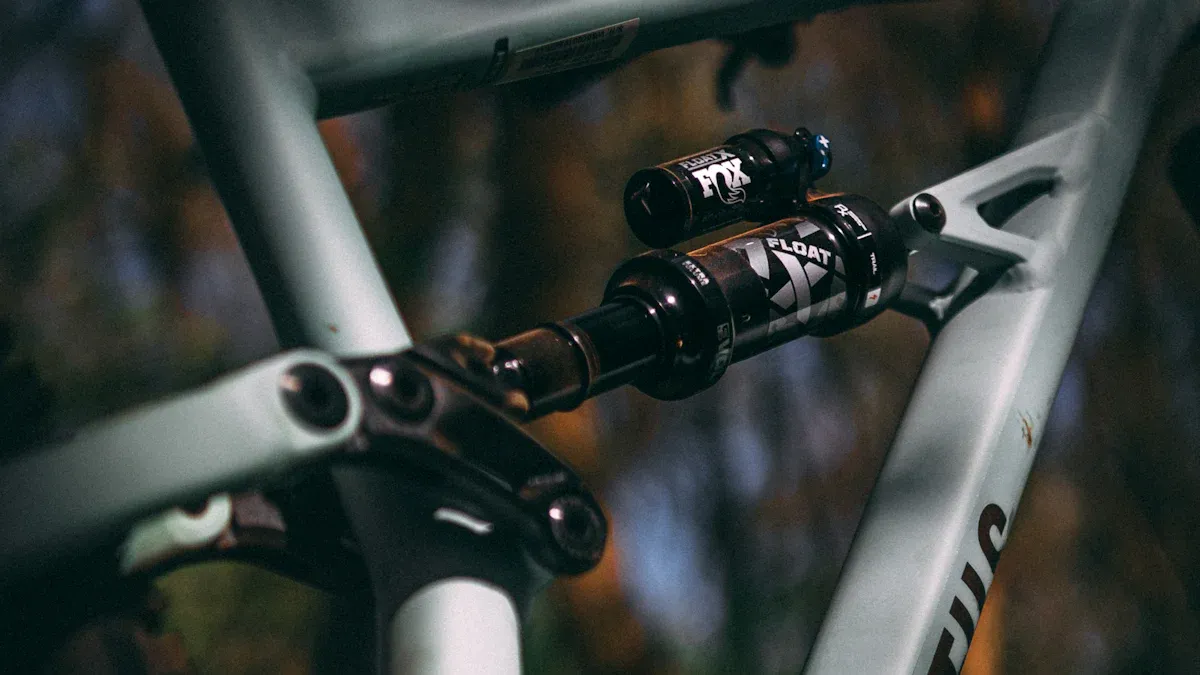
Unsprung mass is everything that moves with your wheel over bumps. That includes the tire, rim, spokes, brake rotor, fork lowers, and the piston rod inside your suspension. When you cut this mass, your suspension can react faster to changes in the trail. The wheel can shoot upward quickly when it hits a rock. It can drop downward just as fast into a hole. This quick response keeps your tire pressed against the ground more steadily.
Picture your front wheel hitting a square-edged root. The suspension must compress fast to soak up the hit. A heavier wheel fights that upward motion. It wants to keep going straight. That resistance sends energy into the frame instead of the suspension. You feel that as a jolt through the handlebars. A lighter wheel moves up with less fight. The suspension absorbs more of the impact. Your hands feel less shock, and your front tire holds the trail better.
The same idea applies to braking. When you brake hard on a rough downhill, the suspension must extend to keep the tire down. A lighter wheel lets that happen faster. Your tire stays planted, giving you more stopping power and better control. You notice the difference on loose or slippery ground where traction is already low.
Ride Condition | With Heavier Unsprung Mass | With Lighter Unsprung Mass |
|---|---|---|
Square-edge hits | Noticeable jolt through handlebars | Reduced shock, smoother impact absorption |
Braking on rough terrain | Tire loses contact, reduced stopping power | Tire stays planted, consistent braking |
Cornering over bumps | Wheel deflection, loss of grip | Better traction, more precise line holding |
Small chatter bumps | Suspension packs down, harsh feel | Suspension stays active, plush feel |
Improving Ride Quality and Response
Lower unsprung mass boosts small-bump compliance. Small bumps include gravel, washboard sections, and roots that cause quick, tiny movements. A heavier wheel tends to skip over these small features. It bounces across instead of following them. That skipping cuts traction and makes the ride rough. A lighter wheel follows the ground more closely. The suspension can react to every little bump. Your tire stays in contact, and you feel less vibration through the bike.
This better compliance means less fatigue on long rides. When your body takes fewer hits, your muscles stay fresh. Your hands and arms feel less strain. Your lower back handles fewer jolts. After hours in the saddle, these gains add up. You finish with more energy and less soreness. You can ride longer and enjoy it more.
Your suspension also responds faster. A lighter piston rod lets the damper control wheel movement more precisely. The suspension can move through its travel quicker without feeling harsh. This response gives you better traction on climbs and more confidence on descents. You can pick a line through rocks and trust your front wheel to follow it.
The combined effect of less unsprung mass is a bike that feels more connected to the trail. You gain comfort, control, and confidence on every ride.
Hollow Piston Rods are key to this performance. They cut weight from the unsprung part of your suspension without losing strength. The result is a suspension that works harder for you. It reacts faster, tracks better, and keeps you fresher on long rides. These gains make a real difference in your riding, whether you race enduro or explore new trails on weekends.
Applications and Considerations
Where You'll Find Them
Hollow Piston Rods show up in high-end suspension forks and rear shocks on modern mountain bikes. Brands use them when cutting weight matters most. You will find them on cross-country race bikes, enduro rigs, and downhill machines. These rods also appear in other places beyond cycling. Gas springs, shock absorbers, and hydraulic or pneumatic cylinders all use piston rods for motion control. The same lightweight strength that helps your bike also improves office chairs, medical beds, and automotive systems.
Piston rods play a key role in motion control systems such as gas springs, shock absorbers, and hydraulic or pneumatic cylinders.
Industrial automation uses these parts too. Machine tools, packaging equipment, and assembly lines depend on linear actuators. Festo piston rod cylinders are pneumatic drives that perform linear movements. These systems need the same precision and durability that your suspension requires. The technology transfers across industries because the engineering principles stay the same.
Linear actuators are used in industrial automation and machinery, machine tools, computer peripherals such as disk drives and printers, home automation, packaging, assembly, electronic manufacturing, data storage, laser processing, and test and inspection.
Cost and Maintenance
Hollow Piston Rods cost more to make than solid ones. The drilling, swaging, and precision machining need extra steps. Tighter tolerances require better equipment and more skilled workers. You pay more upfront for this technology. But the long-term benefits make up for that initial cost.
The durability treatments extend the rod's service life. QPQ surface treatment provides high hardness. That hardness resists wear from dirt and grit. Chrome plating adds another layer of protection against rust. These treatments mean fewer replacements over the life of your suspension. You save money on parts and labor in the long run.
Maintenance stays simple. The smooth surface finish reduces friction on seals. Your suspension keeps working smoothly without frequent service. Regular cleaning and proper lubrication keep the rod performing at its best. You avoid costly rebuilds because the rod resists wear so well.
OEM and customization options are available from various manufacturers. You can request induction hardening or specific plating to match your needs. This flexibility lets you get exactly the rod your bike requires. A warranty gives you confidence in the investment. Choose quality components, and your suspension will reward you with consistent performance for years.
Hollow Piston Rods deliver real benefits for your bike. You save significant unsprung weight. You keep the strength needed for rugged trails. Your suspension reacts faster to terrain changes, improving traction and comfort on every ride.
These rods represent a smart investment. The QPQ treatment and quality materials ensure long-lasting performance. You gain agility without sacrificing durability. This technology continues to grow across the cycling industry because it balances lightweight strength perfectly.
When you upgrade your bike, consider hollow piston rods. You will notice the difference immediately. Your rides become smoother, more controlled, and more enjoyable. Choose reliability and performance gains that last for years.
FAQ
How much weight can I actually save with a hollow piston rod?
A typical hollow rod saves significant weight per fork compared to a solid version. That reduction comes from removing unused material from the center. You feel this difference right away in how your bike speeds up and turns.
Will a hollow piston rod last as long as a solid one?
Yes. The tube shape spreads force evenly around the circle, so weak spots don't form. QPQ surface treatment adds hardness and resists rust. These rods often last longer than solid ones in tough riding conditions.
Can I retrofit a hollow piston rod into my existing fork?
Most hollow piston rods come as OEM parts made for specific suspension models. You should check compatibility with your fork manufacturer before buying. Custom services, including induction hardening and chrome plating, are available to fit your exact needs.
How do I maintain a hollow piston rod?
Maintenance stays simple. The smooth surface finish cuts down friction on seals. Regular cleaning and proper lubrication keep the rod working well. The wear-resistant surface means fewer rebuilds over the life of your suspension.
Are hollow piston rods worth the higher cost?
The upfront cost exceeds solid rods because precision machining adds steps. But the long-term benefits justify the investment. You get better suspension response, less fatigue on long rides, and longer service life. A warranty adds peace of mind.


Recommended Products


Recent News
1.Hydraulic Damping Rod for Bike Front Fork Performance
2025-05-292.How to Select a High-Quality Hard Chrome Plated Rod for Your Bike’s Steerer Tube
2026-04-023.Comparing Bike Front Shocker Rods for Mountain and E-Bikes
2026-04-134.Gas Spring Rods in Bicycles: Enhancing Performance and Comfort
2025-04-295.Hollow Piston Rods: Key to Lighter Bicycle Front Forks
2026-08-176.Lightweight Strength: Hollow Piston Rods in Bicycle Suspension
2026-08-26


