
 Product Search


QPQ Surface Treatment Gas Spring Piston Rod Φ6mm,8mm,10mm Up To 30mm
 Oct 08, 2026|
 View:2
QPQ means Quench-Polish-Quench. This surface treatment is a salt-bath liquid nitriding process. It starts with quenching, then polishing, then quenching again. Manufacturers use this treatment on gas spring piston rods to make the surface hard and stop rust. The rod handles tough conditions and slides smoothly.
For a QPQ Surface Treatment Gas Spring Piston Rod, you can pick diameters from Φ6mm up to 30mm, including common 8mm and 10mm sizes. You can get both solid and hollow rods. This range covers light-duty furniture parts and heavy industrial equipment too.
The main advantages are easy to understand. You get corrosion resistance, wear resistance, and low friction. These qualities make the rod last longer and put less strain on seals.
Key Takeaways
QPQ treatment makes gas spring piston rods hard and rust-resistant.
You can choose rod diameters from 6mm to 30mm for different uses.
QPQ rods last longer than chrome-plated rods because the protection is part of the steel.
Low friction keeps seals working well and extends the life of gas springs.
HZX offers custom sizes and fast production for your projects.
What Is QPQ Surface Treatment?
QPQ stands for Quench-Polish-Quench. This treatment is a salt-bath liquid nitriding process. It takes place inside a nitriding furnace. The furnace heats a bath of nitrogen-rich salts to a high temperature. You place the steel rod into this bath. Nitrogen and carbon atoms diffuse into the surface of the steel. This creates a hard compound layer on the outside of the rod. The rod then goes through a quenching step, a polishing step, and a second quenching step. Each stage builds on the last one. The result is a surface that resists wear and rust.
The QPQ Process
QPQ is a nitrocarburizing treatment. It adds both nitrogen and carbon to the steel surface. Gas spring piston rods made of C35 steel respond well to this process. C35 is a medium-carbon steel. It offers a good balance of strength and machinability. The nitrocarburizing step changes the surface chemistry of the rod. The outer layer becomes a hard nitride compound. Below that layer, a diffusion zone supports the hard surface. The polishing step smooths the surface after the first quench. The second quench finishes the treatment and locks in the properties. You get a rod with a hard skin and a tough core. The process works on solid rods and hollow rods alike.
QPQ vs. Chrome Plating
Chrome plating is the traditional surface treatment for piston rods. QPQ offers a different set of trade-offs. The table below compares the two treatments on the points that matter most to rod performance.
Property | QPQ Treatment | Chrome Plating |
|---|---|---|
Corrosion resistance | Moderate to good; salt spray test exceeds 120 hours | Good, but can chip and expose base steel |
Wear resistance | High surface hardness, HRC 40-45 | Hard but brittle; prone to flaking |
Friction | Low friction; surface roughness Ra ≤ 0.2μm | Low friction when intact |
Environmental impact | Salt-bath process; no hexavalent chromium | Hexavalent chromium is toxic and regulated |
QPQ creates a diffusion layer. The hardness comes from within the steel itself. This layer does not flake off like a coating can. Chrome plating sits on top of the steel as a separate layer. That layer can chip under impact or flexing. Once chrome chips, the exposed steel rusts quickly. QPQ rods keep their protection even under heavy use. The QPQ Surface Treatment Gas Spring Piston Rod also avoids hexavalent chromium. This chemical is a known health hazard and faces strict regulations in many markets. QPQ gives you a safer production path without giving up performance. For humid or outdoor environments, QPQ provides reliable rust protection. It outperforms untreated rods by a wide margin. It also holds up better than chrome in applications with repeated sliding contact.
Benefits of QPQ Surface Treatment Gas Spring Piston Rod
QPQ treatment alters a piston rod's surface in ways that count in daily use. The benefits split into two main groups: rust and wear protection, plus smooth action for a longer-lasting gas spring.
Corrosion and Wear Resistance
HZX shares clear performance data for its QPQ-treated rods. The table below gives the main numbers.
Property | HZX QPQ Rod Performance |
|---|---|
Surface hardness | HRC 40-45 |
Surface roughness | Ra ≤ 0.2μm |
Salt spray test | Over 120 hours |
These numbers show what you can expect in use. A hardness of HRC 40-45 means the rod resists scratches and scuffs from repeated sliding contact. The Ra ≤ 0.2μm roughness value tells you the surface is smooth at a tiny scale. A salt spray result over 120 hours proves the rod can handle moisture without quick rust.
QPQ gives moderate rust protection. This protection comes from the nitrocarburized layer itself, not from an extra coating. The layer forms when nitrogen and carbon atoms move into the steel. It becomes part of the metal instead of sitting on top. The result is a surface that resists rust in humid and outdoor places. Untreated rods rust quickly when moisture touches them. Chrome-plated rods protect well while the chrome layer stays intact. That layer can chip under impact, and the bare steel underneath rusts fast. A QPQ Surface Treatment Gas Spring Piston Rod keeps its rust protection even if the surface gets hit. The diffusion layer does not flake off like a plated coating can.
Wear resistance works in the same way. The hard compound layer handles the steady back-and-forth movement inside a gas spring. The rod moves through a seal thousands of times during its life. A soft surface would wear down and form grooves. Those grooves allow gas to escape and weaken spring force. QPQ treatment keeps the rod surface smooth and hard for a long time.
Low Friction and Long Service Life
Low friction is a quiet yet strong benefit. The Ra ≤ 0.2μm surface roughness means the rod slides easily through the seal with little resistance. Less friction makes less heat where surfaces touch. Heat wears out rubber and plastic seals over time. By lowering friction, QPQ treatment slows seal breakdown.
Seal wear is the main cause of gas spring failure. Each time the rod moves, it rubs the seal against the surface. A rough or uneven surface works like sandpaper on the seal lip. The seal loses material, starts leaking, and can no longer hold pressure. QPQ-treated rods show the seal a smooth, even surface. The seal wears evenly and lasts far longer. You need fewer new gas springs and face fewer warranty claims.
When rust protection, wear resistance, and low friction work together, their effects add up. A rod that resists rust will not get pits. A rod without pits lets the seal run on a smooth surface. A smooth surface makes less friction and heat. Less heat helps the seal last longer. Every benefit helps the others. So QPQ Surface Treatment Gas Spring Piston Rod products outlast untreated or chrome-plated options in humid, outdoor, or high-use settings.
Available Diameters: Φ6mm, 8mm, 10mm Up To 30mm
Standard Sizes
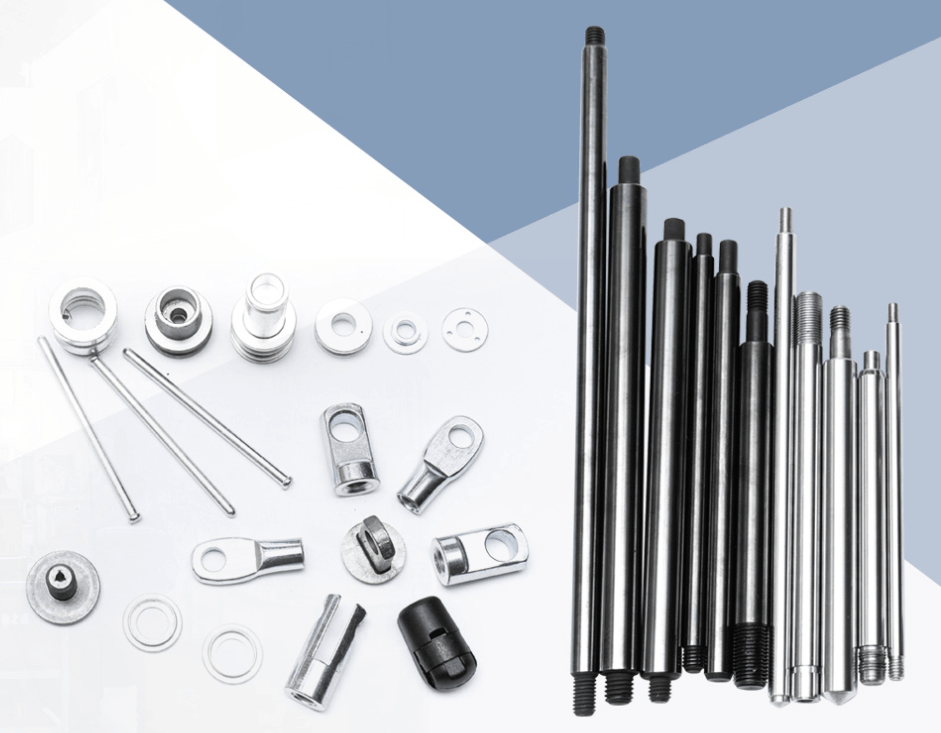
HZX offers solid and hollow piston rods from Ø6 to 30mm. The maximum length reaches 1000mm. This range covers small furniture struts and large industrial dampers. You can order the exact size your design needs.
You also choose from several steel grades. C45 and C35 are medium-carbon steels. They offer good strength and machine well. For harsh environments, pick 304, 316, or 316L stainless steel. These grades resist rust on their own. Combined with QPQ Surface Treatment Gas Spring Piston Rod construction, they handle humid and outdoor conditions well.
Choosing the Right Diameter
Rod diameter affects the maximum force a gas spring can carry before buckling. The table below shows the relationship between rod size, tube size, and force capacity.
Rod Diameter (mm) | Housing/Tube (mm) | Max Force (N) |
|---|---|---|
4 | 12 | 200 |
6 | 15 | 450 |
8 | 19 | 800 |
10 | 23 | 1250 |
14 | 28 | 2500 |
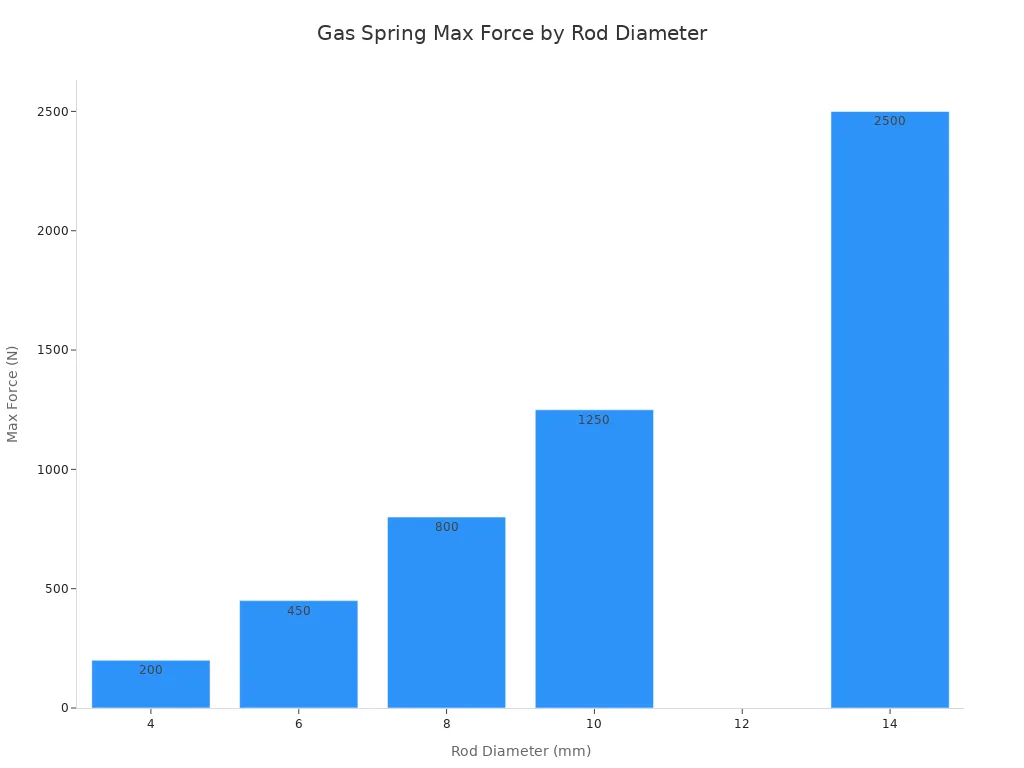
Match the rod to your application. A 6mm rod works for light furniture like cabinet doors. An 8mm rod suits light-to-medium tasks. A 10mm rod handles automotive trunk and hood supports. Rods up to 30mm serve heavy industrial equipment.
Stroke length also matters. The stroke determines how far the lid opens. It typically equals roughly 55–60% of the extended length. A longer stroke reduces the force on hinges. The rod must exceed the spring stroke for full extension. It must stay shorter than the tube to prevent overtravel.
Consider operating cycles and exposure to corrosive agents too. More cycles demand a harder, smoother surface. Corrosive settings call for stainless steel or QPQ treatment.
Applications of QPQ-Treated Piston Rods
You can find QPQ-treated piston rods in many products you use every day. Their hard surface and rust protection make them a smart choice. Each use needs smooth sliding and a long life. QPQ treatment gives you those qualities.
Automotive and Industrial
Cars use gas springs with QPQ-treated rods in many places. You see them on trunk lids, hood supports, tailgate flaps, engine bonnets, and baggage compartments. These parts face weather, road salt, and constant opening and closing. A QPQ Surface Treatment Gas Spring Piston Rod stands up to that harsh life. Its surface does not chip like chrome plating can. The rod keeps working even after years outside.
Industrial settings ask for even more. Trains and ships use gas springs for doors, windows, and dampers. Hardware toolboxes rely on the same parts. These places bring moisture, vibration, and heavy use. QPQ-treated rods meet the challenge. Their corrosion resistance stops rust from forming pits. Their hard surface resists wear from constant sliding. Operators get reliable equipment with fewer breakdowns.
Furniture, Medical, and More
Furniture makers pick QPQ-treated rods for smooth daily operation. Office chairs use them in height-adjustable mechanisms. Medical beds depend on gas springs for backrest and leg adjustments. Study tables use them for tilting surfaces. People use these products many times every day. Patients and workers expect quiet, steady movement. QPQ treatment keeps the rod surface smooth. This makes the motion easy.
Bicycle suspension systems also gain from this treatment. Mountain bikes and city bikes face rain, mud, and grit. A QPQ-treated rod stays smooth. A plain steel rod would rust in the same conditions. The seal inside the fork protects the rod surface. The smooth rod then protects the seal from early wear. Together they create a suspension that rides well for many seasons.
Many other machines use the same solution. Any device that opens, lifts, or dampens motion can use one. The mix of corrosion resistance and low friction fits a wide range of needs.
Why Choose HZX Piston Rods?
Picking a piston rod supplier is not just about buying a part. You want steady quality, enough output, and support for custom designs. HZX gives you all three. The company began in 2012. It runs a 5,000-square-meter factory. Over 60 workers are employed there. Modern automatic lines make rods that are all the same. A strict inspection team checks every step.
Output matters when you order a lot. HZX can meet your needs.
The current yearly output is more than 40 million pcs each year.
This scale handles stock orders and big projects. Steady processes mean fewer surprises in delivery and quality. The factory ships to Europe and the Middle East. International buyers count on this supply chain every day.
Manufacturing Strength
HZX put money into automation from the start. The 5,000-square-meter facility uses automatic production lines. Skilled workers watch the machines. This setup keeps sizes very exact. You get the same surface quality from batch to batch. The result is a rod that slides smoothly and fights rust.
The operation numbers show the story. The factory covers 5,000 square meters. More than 60 people work there. Yearly output is over 40 million piston rods. This output supports both standard and custom orders. You can grow your purchases as your business grows.
Quality and Custom Solutions
Quality is a process, not just a promise. HZX holds ISO9001 certification. Products pass SGS testing. A strict inspection team checks rods during production. Workers review every batch before shipping.
A QPQ Surface Treatment Gas Spring Piston Rod needs exact surface quality. HZX measures hardness, roughness, and salt spray resistance. These checks prove the rod will handle humid places. Your parts arrive ready for tough applications.
Custom work is a main strength. HZX offers OEM and ODM services. You send drawings, and the team makes samples. Each sample comes with test reports. Need weight or shipping numbers? HZX figures them out. Need matched gas spring accessories? The company provides those too. One supplier handles the whole rod requirement, from prototype to production. That approach saves time and makes talking easier.
A salt-bath nitriding process gives gas spring piston rods a hard, rust-resistant surface and is called QPQ treatment. You get better corrosion resistance, wear resistance, and low friction than untreated or chrome-plated rods. HZX sells these QPQ Surface Treatment Gas Spring Piston Rod products in diameters from Φ6mm up to 30mm. Solid and hollow choices fit your design.
Do you need a quote, a sample, or a custom OEM/ODM solution? Contact HZX today. The team will check your drawings, provide test reports, and help you find the right rod for your application.
FAQ
How is QPQ different from chrome plating?
QPQ creates a diffusion layer within the steel. Chrome adds a separate coating on top. That chrome coating can chip or flake. Once it chips, moisture reaches the steel. Rust forms quickly. You avoid this problem with QPQ because the hard layer is part of the metal itself.
Will QPQ rods rust in humid or outdoor conditions?
QPQ gives moderate rust protection, far better than untreated steel. HZX rods pass a salt spray test for over 120 hours. The protection works because the surface resists moisture. For severe outdoor use, you can pair QPQ with stainless steel for even stronger defense.
Can I combine QPQ treatment with stainless steel?
Yes. HZX makes rods from C45, C35, and 304/316/316L stainless steel. You can combine stainless steel rods with QPQ treatment. This combination handles humid and outdoor conditions extremely well. It gives you maximum rust resistance for challenging environments.
What diameters and hardness levels can I order?
HZX offers solid and hollow rods from 6mm to 30mm in diameter. The maximum length reaches 1000mm. The QPQ layer provides a surface hardness of HRC 40-45. A 6mm rod suits light furniture, while 10mm rods serve automotive tasks.
Recent News
1.Guide to Gas Spring Piston Rods: Design, Types, and Supplier Selection
2026-02-092.Professional Automotive Gas Spring Piston Rod Supplier: Infusing Reliability into Your Supply Chain
2026-02-283.Precision Solid Gas Spring Piston Rod Factory for Diameter 6mm to 30mm
2026-08-314.Wholesale Solid Gas Spring Piston Rods Strictly Within 6mm To 30mm Size
2026-09-095.High Hardness Gas Spring Piston Rod Manufacturers with 6mm–30mm Diameter Capabilities
2026-09-216.Reliable China Supplier Of Hollow Gas Spring Piston Rod 6-30mm
2026-09-287.QPQ Surface Treatment Gas Spring Piston Rod Φ6mm,8mm,10mm Up To 30mm
2026-10-08


